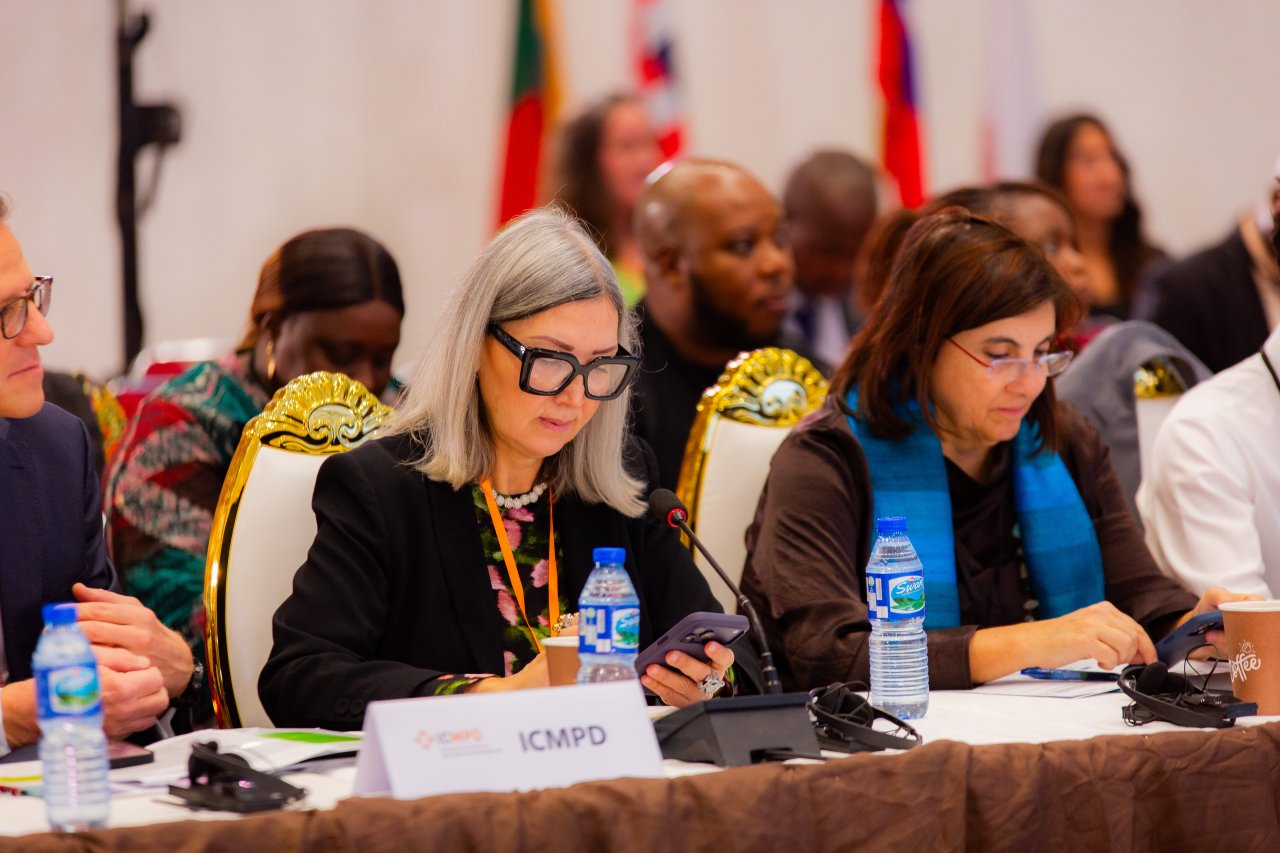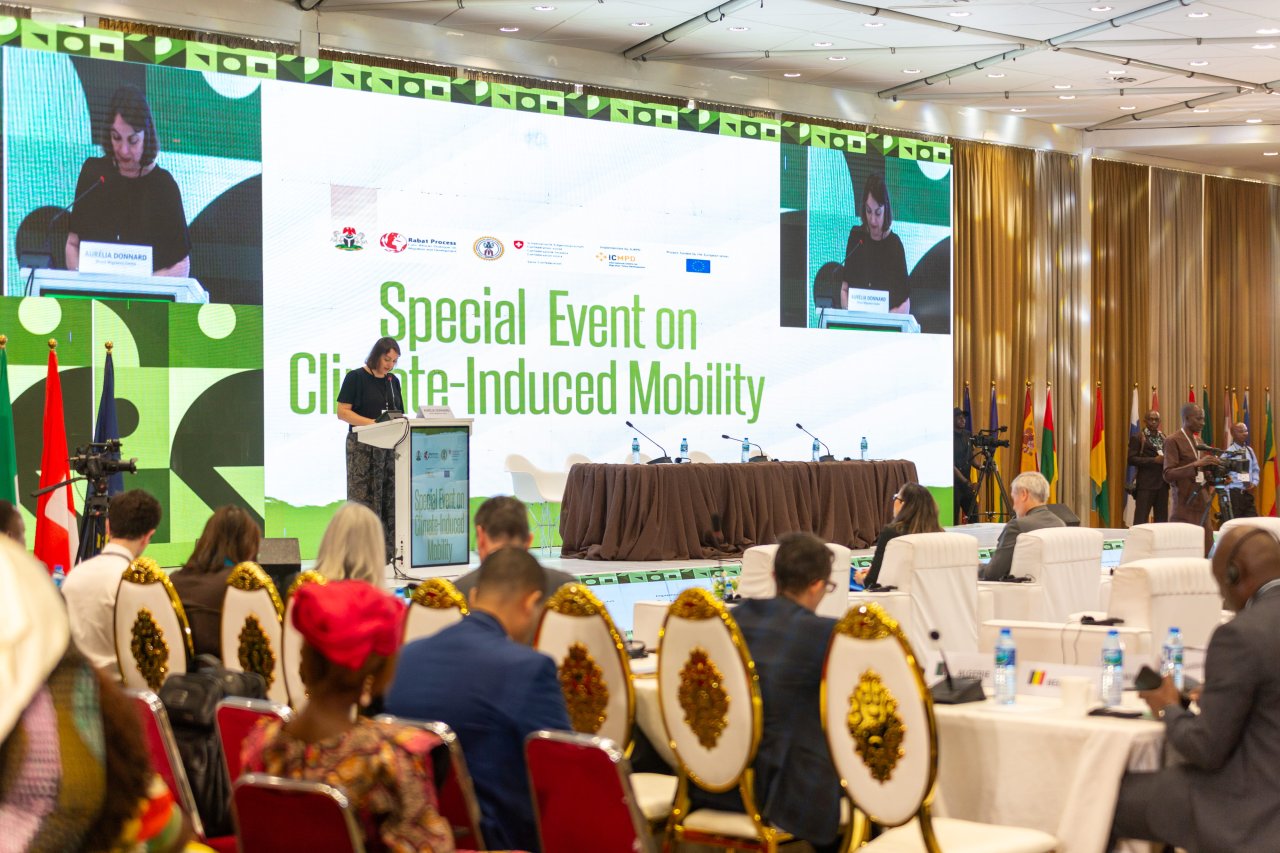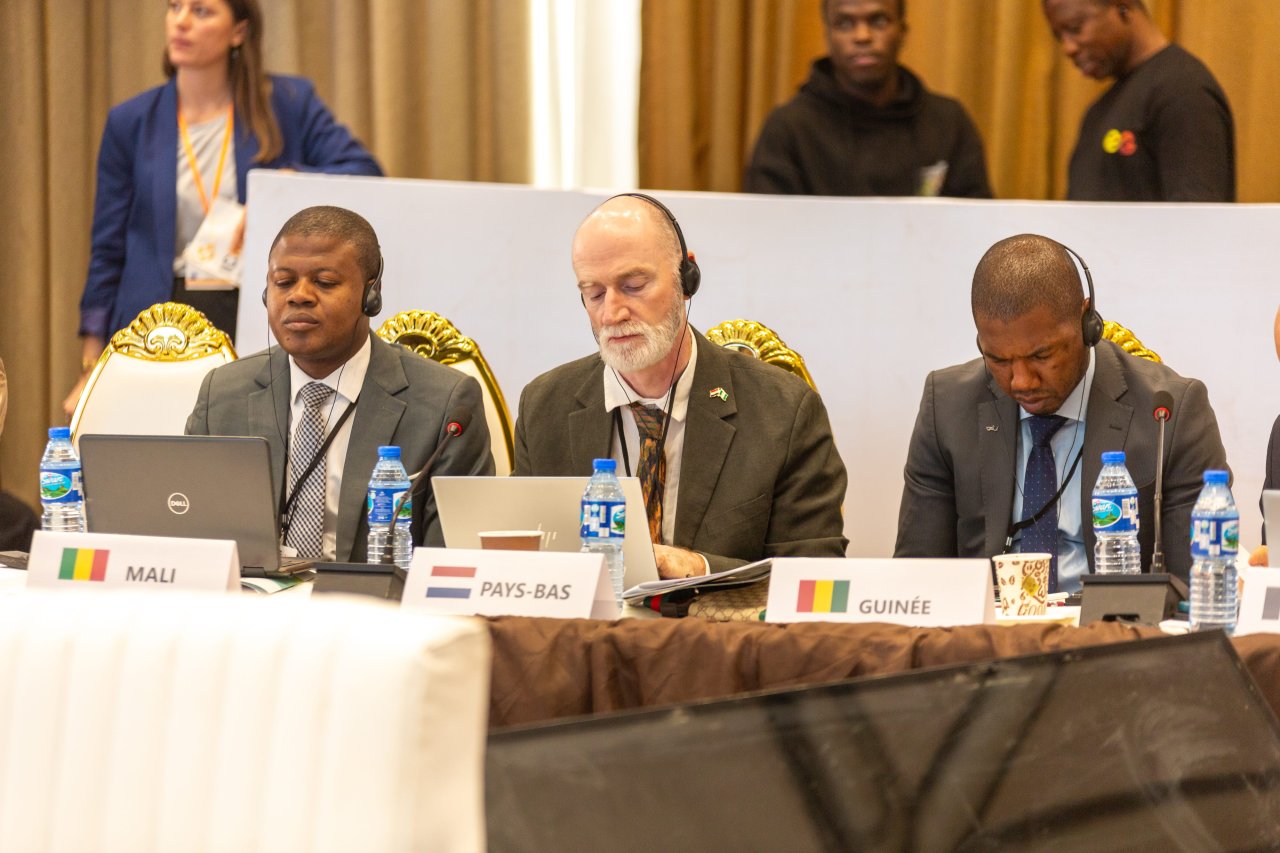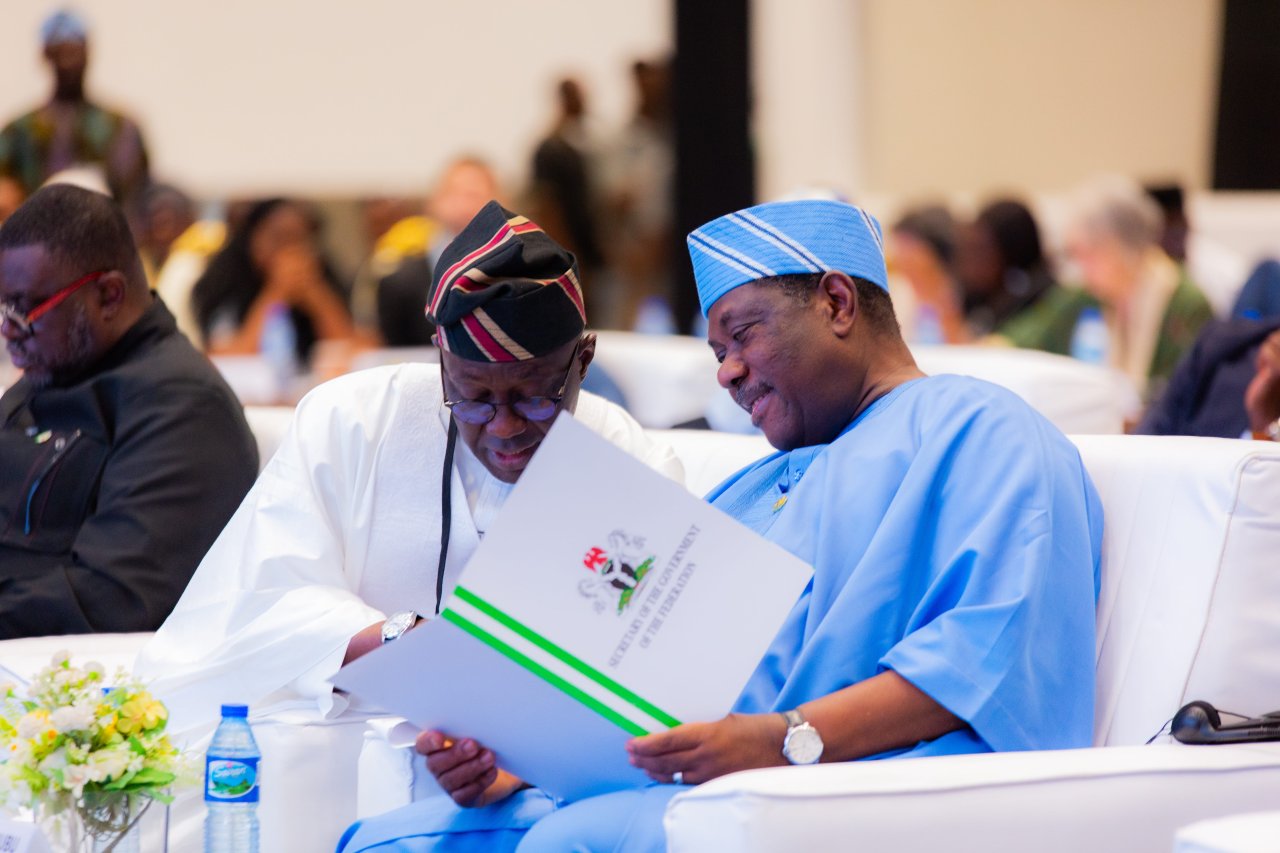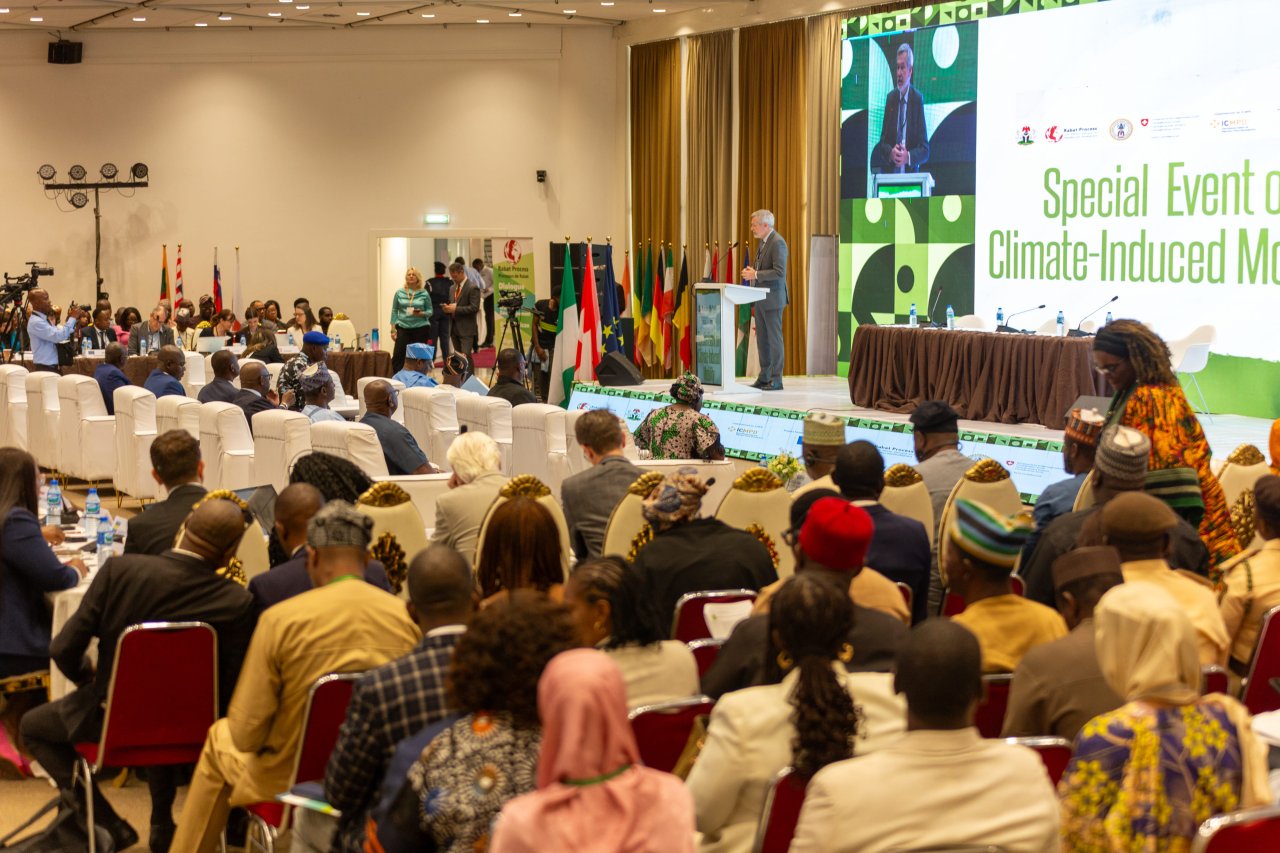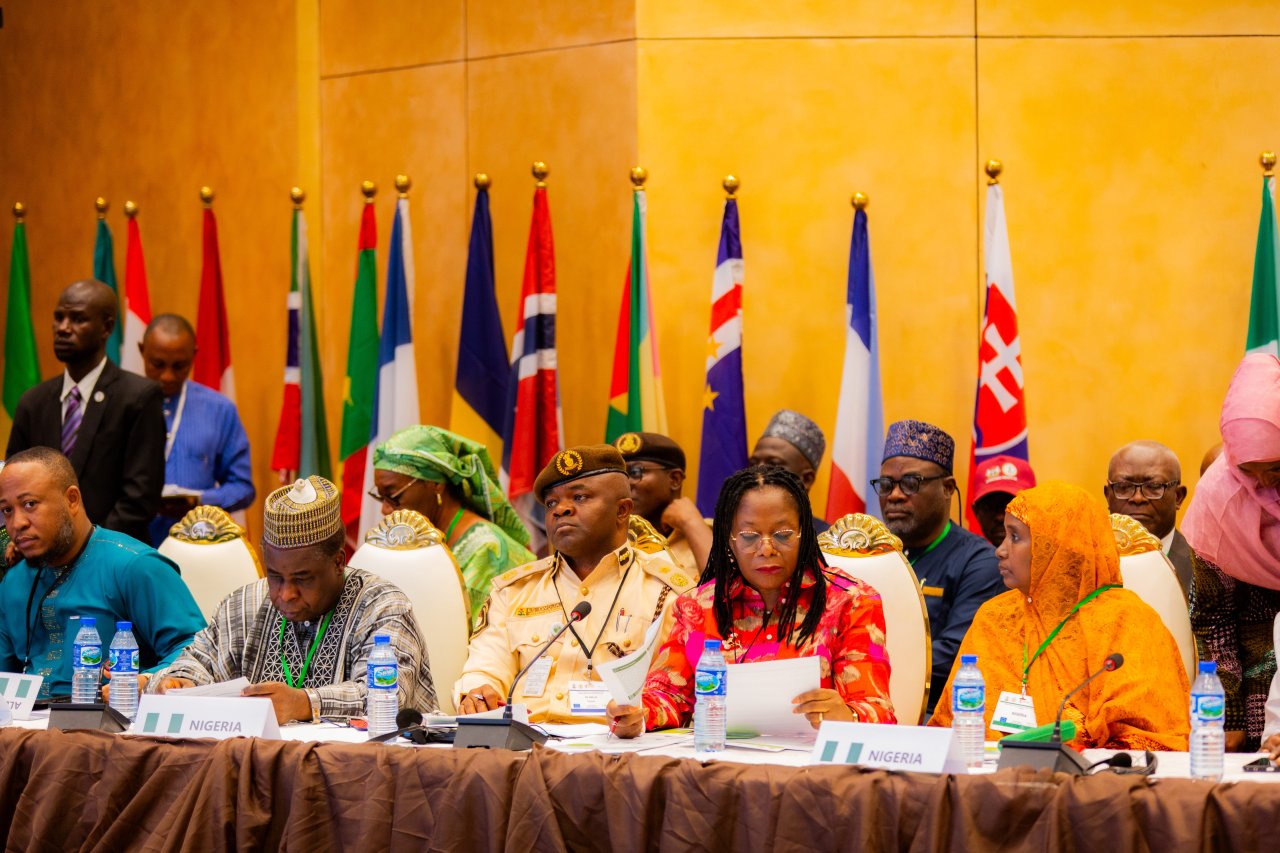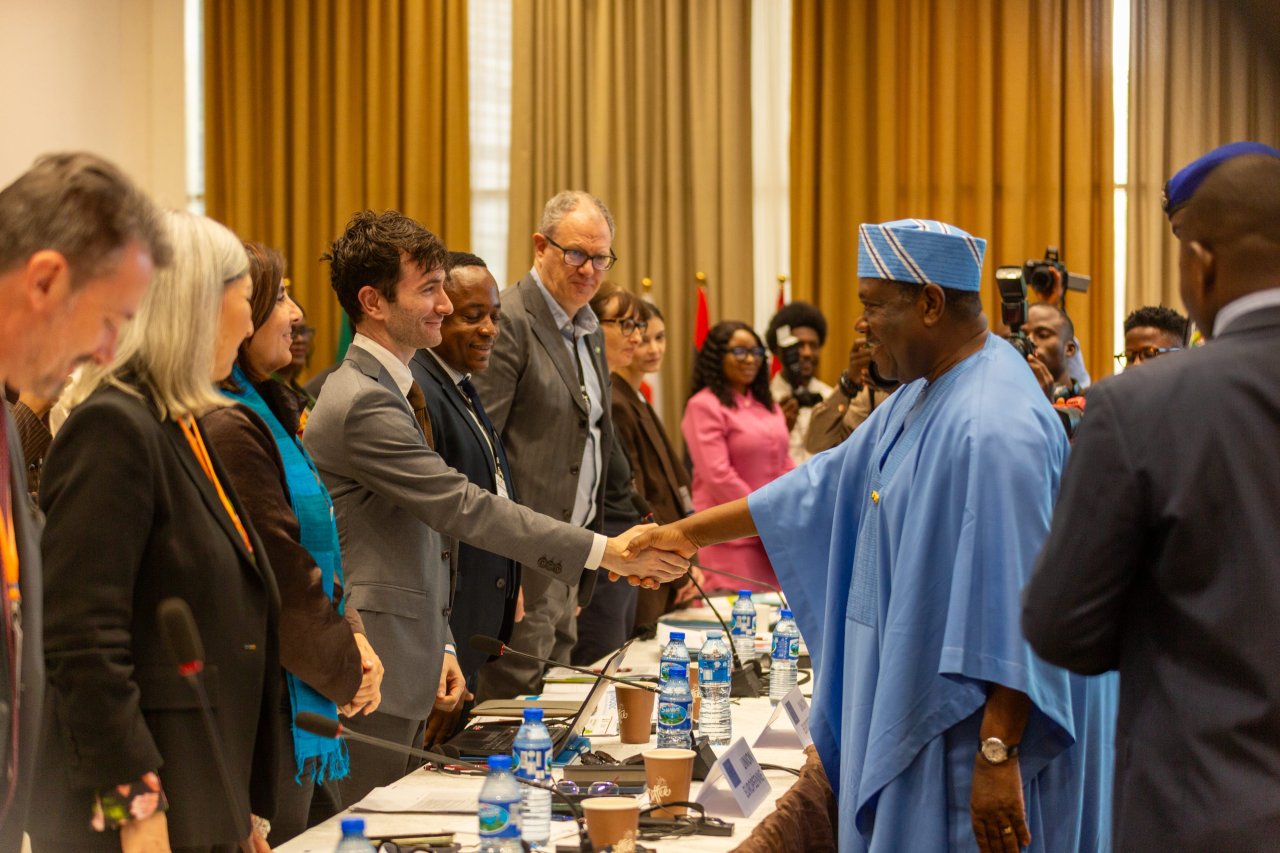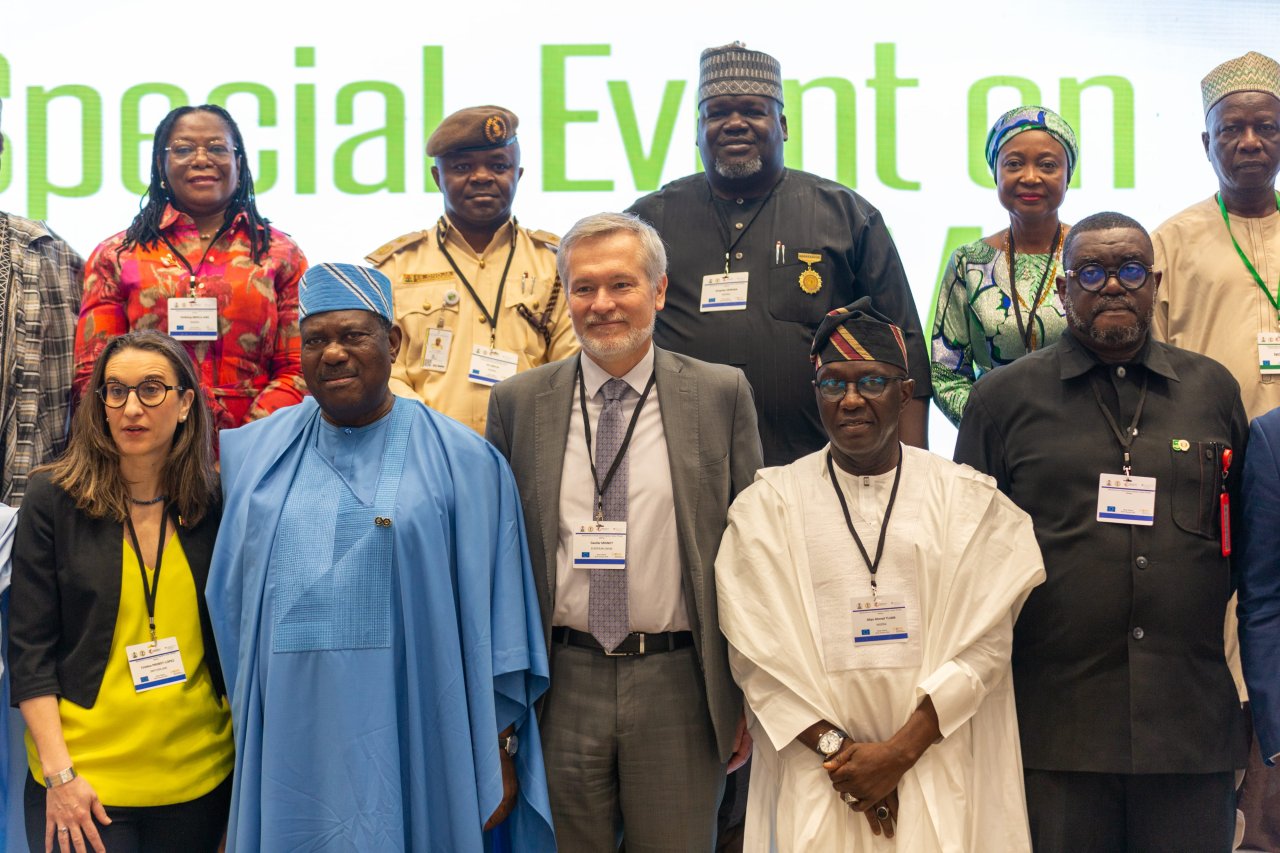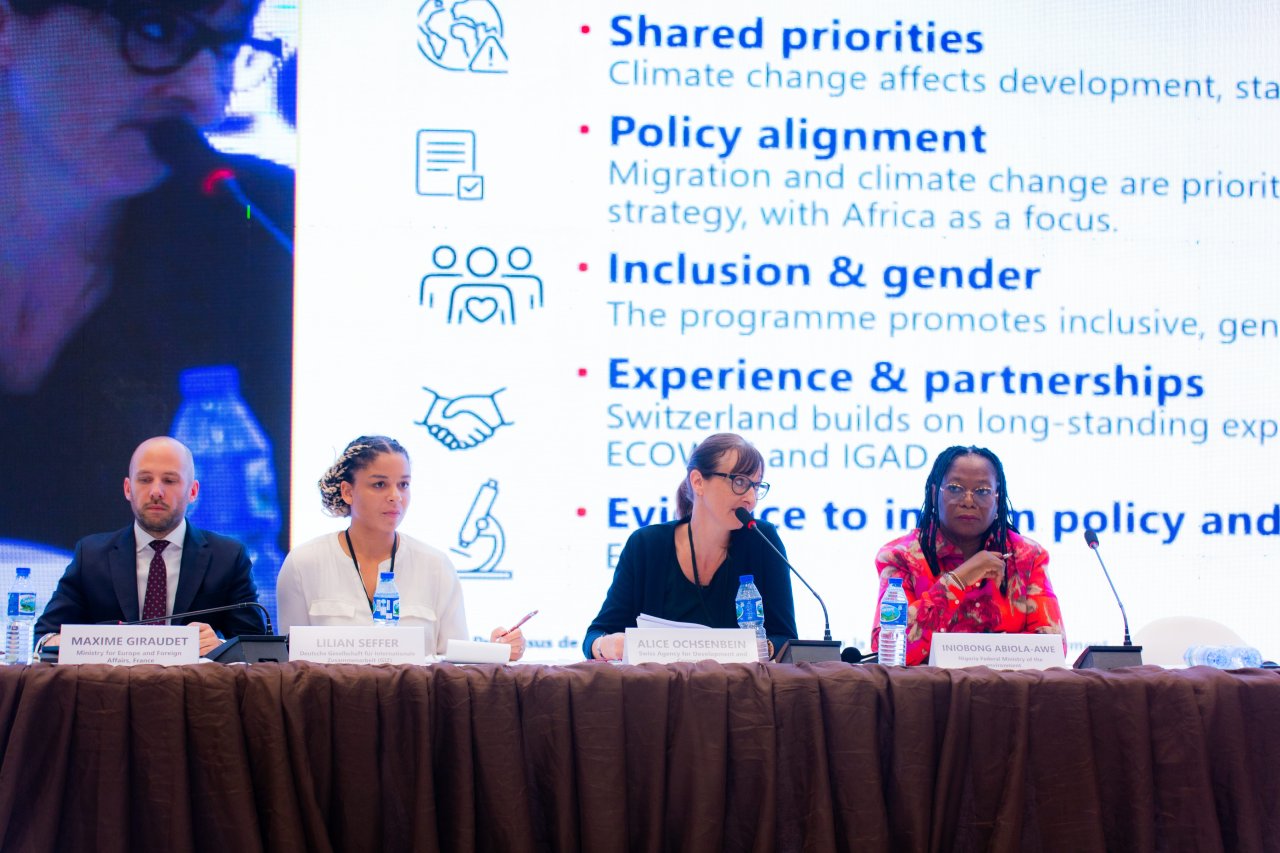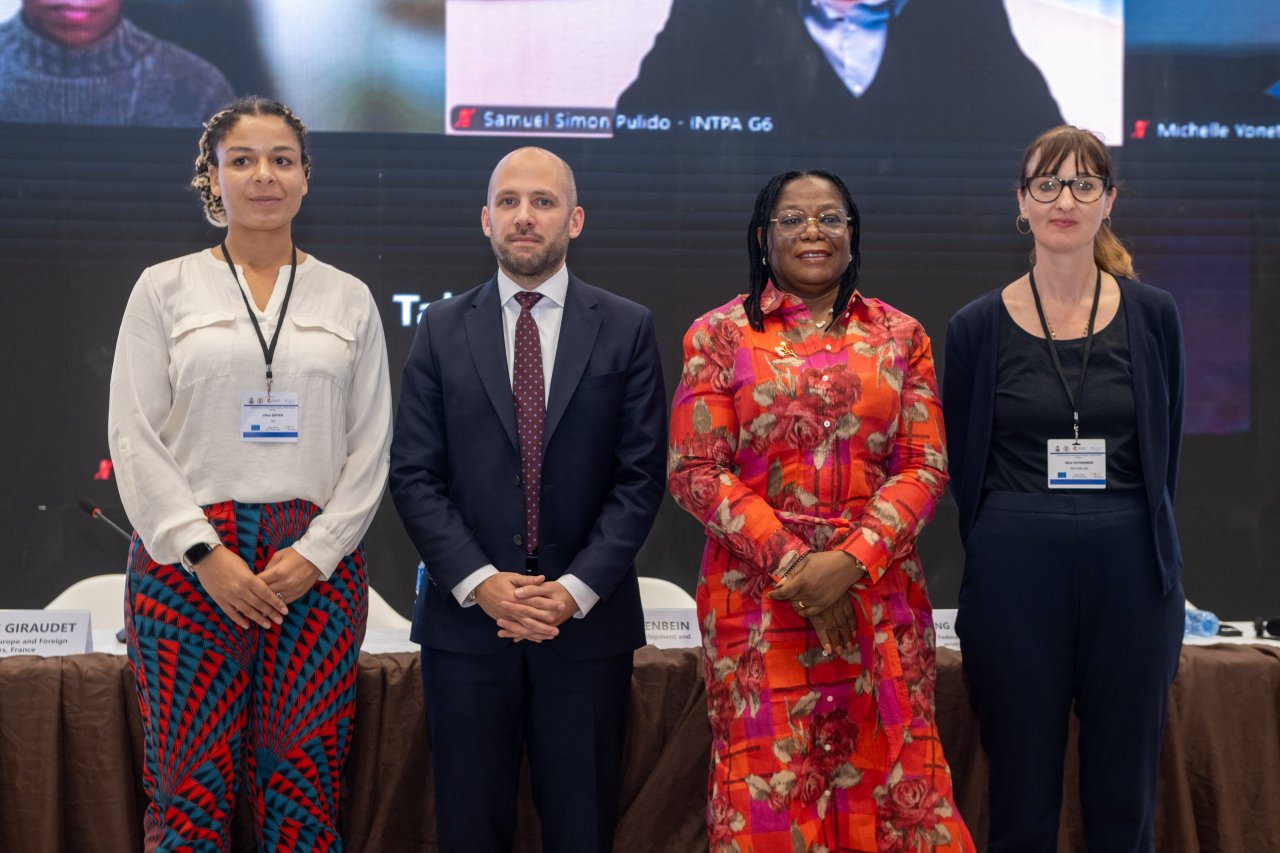


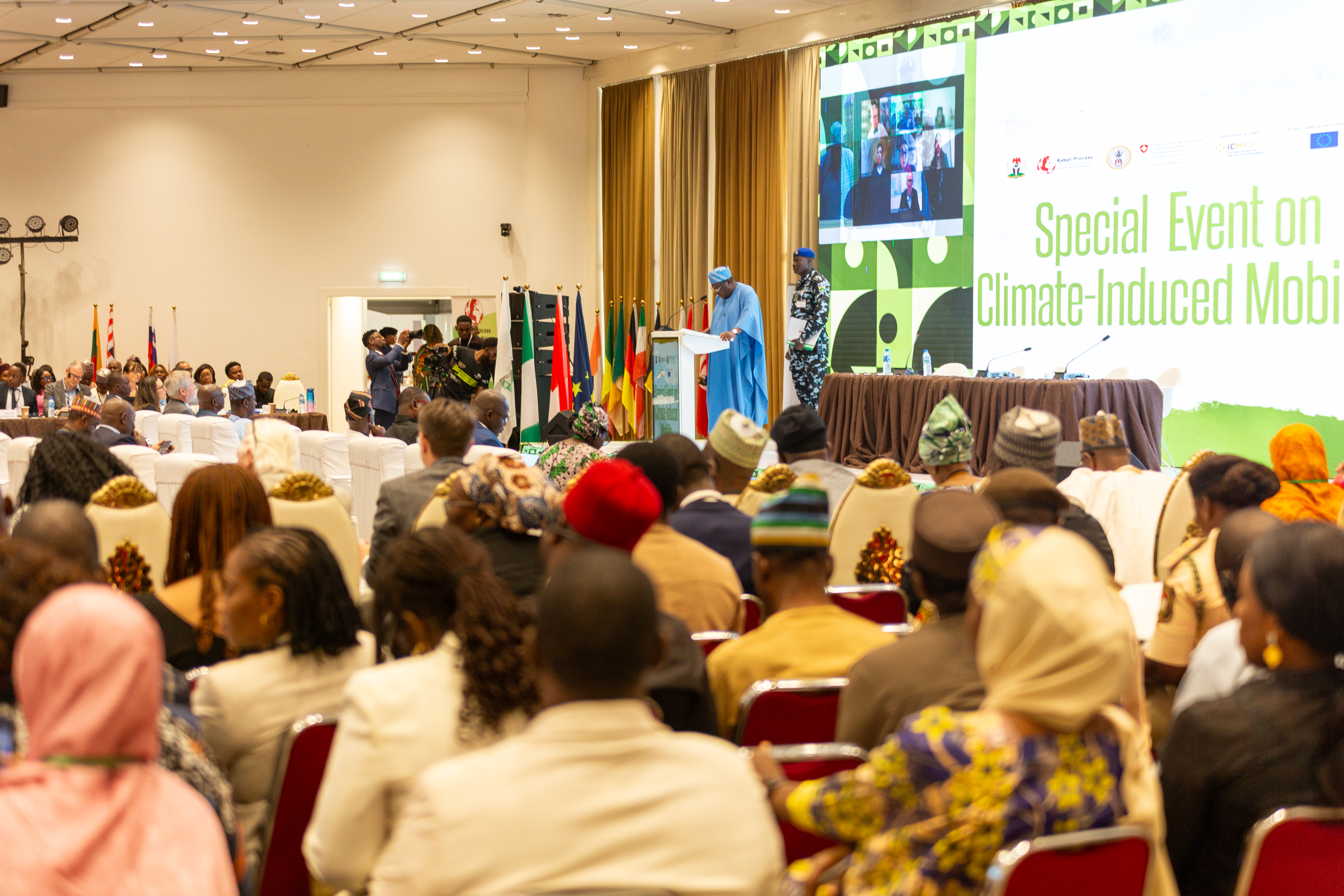
On 28 January 2026, the Rabat Process convened a Special Event on climate-induced mobility, bringing together more than 100 representatives from 38 partner countries, as well as regional and international organisations. As the first Rabat Process event dedicated to this issue, it marked a significant milestone in advancing dialogue and strengthening cooperation on climate-related mobility across the region.
Building on the Cádiz Action Plan (Preamble; Objective 2, Action 5), the event - co-chaired by Nigeria and Switzerland - explored how climate change is already reshaping, and will continue to increasingly determine, mobility dynamics across the Rabat Process region.
Bringing together key experts in the field, the meeting offered a forward-looking platform to deepen partner countries’ understanding of climate risks and impacts, the challenges faced by affected countries and communities, and the shared needs and opportunities across African and European regions.
Discussions focused on approaches to enhance the resilience of affected communities in situ, while ensuring that protection mechanisms and safe migration pathways are accessible when mobility becomes the most appropriate adaptation strategy. Exchanges stressed the need for States to shift from reactive crisis management towards more anticipatory responses to climate-related pressures.
Key takeaways
The discussions underscored several key insights:
- Climate change is increasingly reshaping living conditions across the Rabat Process region, with significant implications for livelihoods, human rights, security and mobility patterns. Over the past decade, more than 14 million climate-related internal displacements have been recorded across partner countries, exceeding those caused by conflict and violence globally.
- Impacts are uneven and exacerbated by pre-existing vulnerabilities, including poverty, socio-economic precarity, gender inequalities, geographic isolation and limited access to services, significantly reducing the ability of some individuals and communities to adapt in situ.
- Climate impacts generate a spectrum of mobility outcomes, including internal and cross-border migration, forced displacement, planned relocation where areas become uninhabitable, as well as immobility outcomes affecting those unable to move due to various constraints and vulnerabilities.
- Mobility often unfolds gradually as part of adaptation processes, typically beginning with local coping strategies before evolving into broader movement patterns. When on site adaptation options are exhausted, mobility frequently occurs in reactive and unsafe conditions, exposing individuals to heightened protection risks.
- Barriers to accessing adaptation finance persist continue to prevent the most affected communities from applying to available funding, ultimately undermining the effectiveness of adaptation efforts.
Recommendations for Rabat Process partner countries
Building on these insights, the event outlined actionable steps to strengthen policy and programmatic responses:
- Integrate robust risk analysis and early warning systems in preparedness programming and ensure the meaningful participation of affected communities in the shaping effective of adaptation responses.
- Move beyond one-size-fits-all responses by tailoring policies to both sudden-onset hazards and slow-onset processes.
- Scale up investments in climate-resilient agriculture, water management, resilient infrastructure, livelihood diversification and skills development - particularly for youth, women and resource-dependent communities - to reduce vulnerability and prevent distress-driven mobility.
- Broaden access to climate adaptation finance for vulnerable communities, by putting in place inclusive mechanisms that enable their engagement in application funding processes.
- Advance a dual approach: Enable people to remain in dignity where possible, while ensuring safe and orderly mobility when needed.
- Recognise and build on the role of remittances and local investments in strengthening climate resilience and align public funding and development aid according to complement and amplify locally driven adaptation efforts.
The special event laid the groundwork for strengthened cooperation on climate-induced mobility within the Rabat Process, supporting a shift towards more anticipatory, inclusive and evidence-based policy approaches.