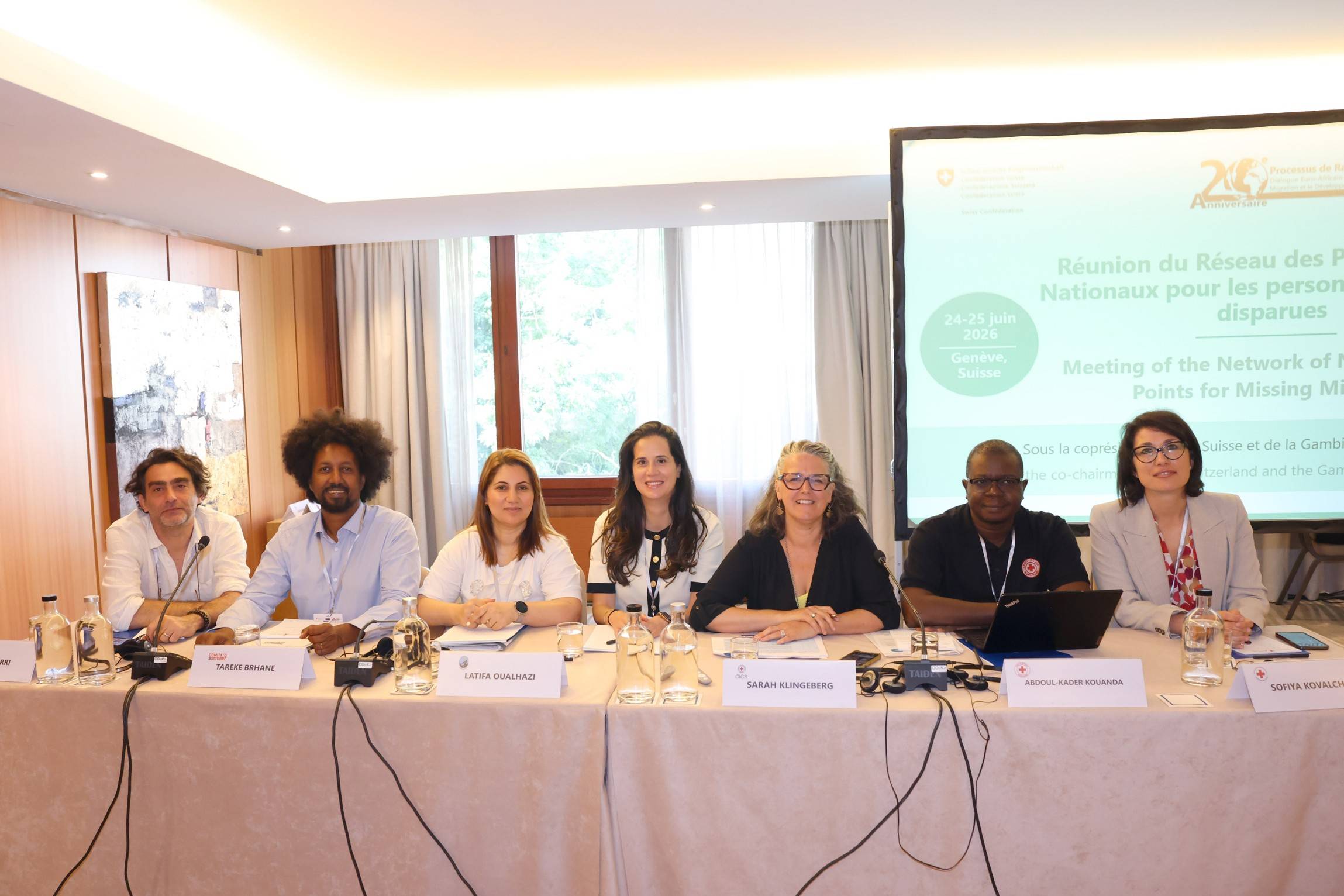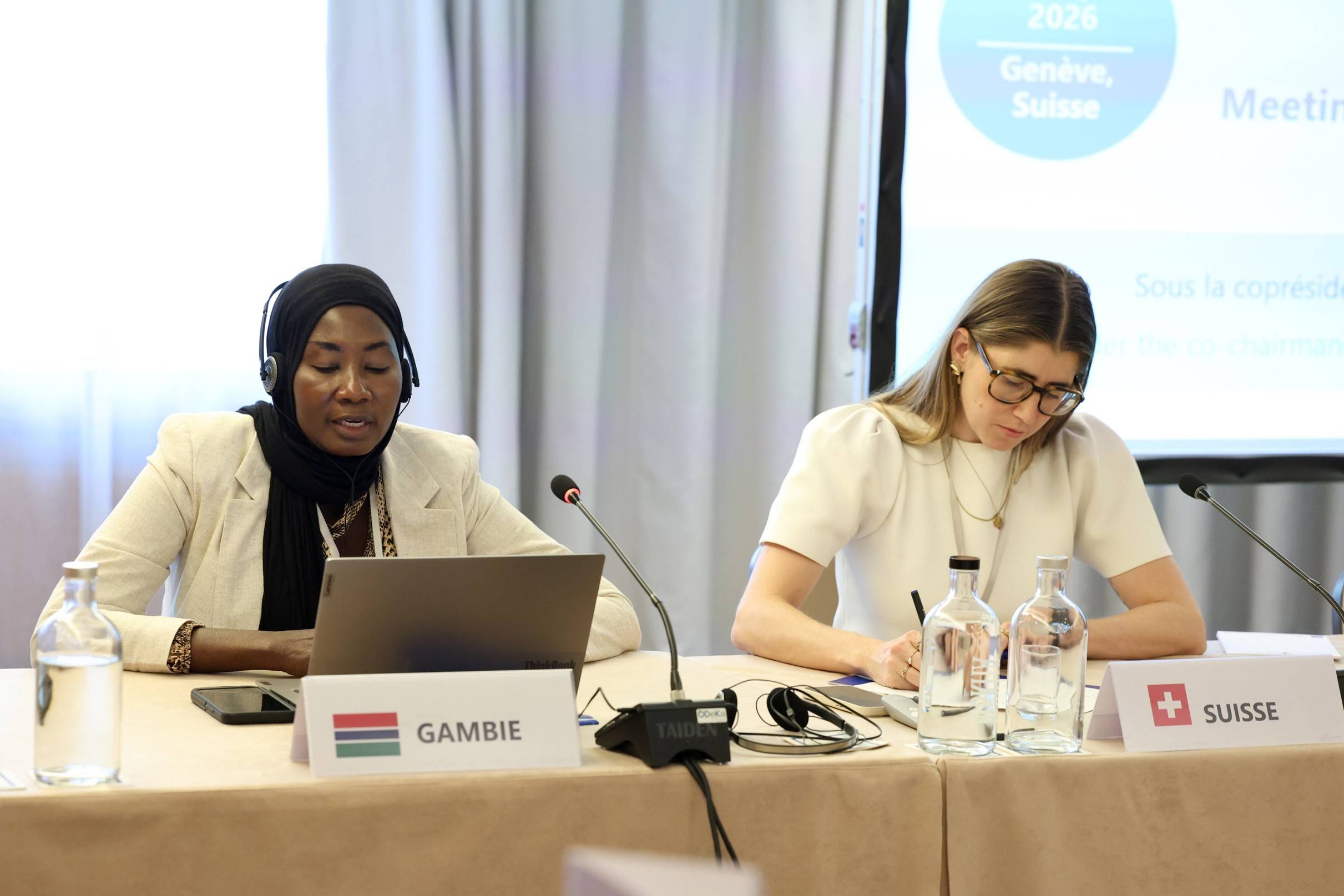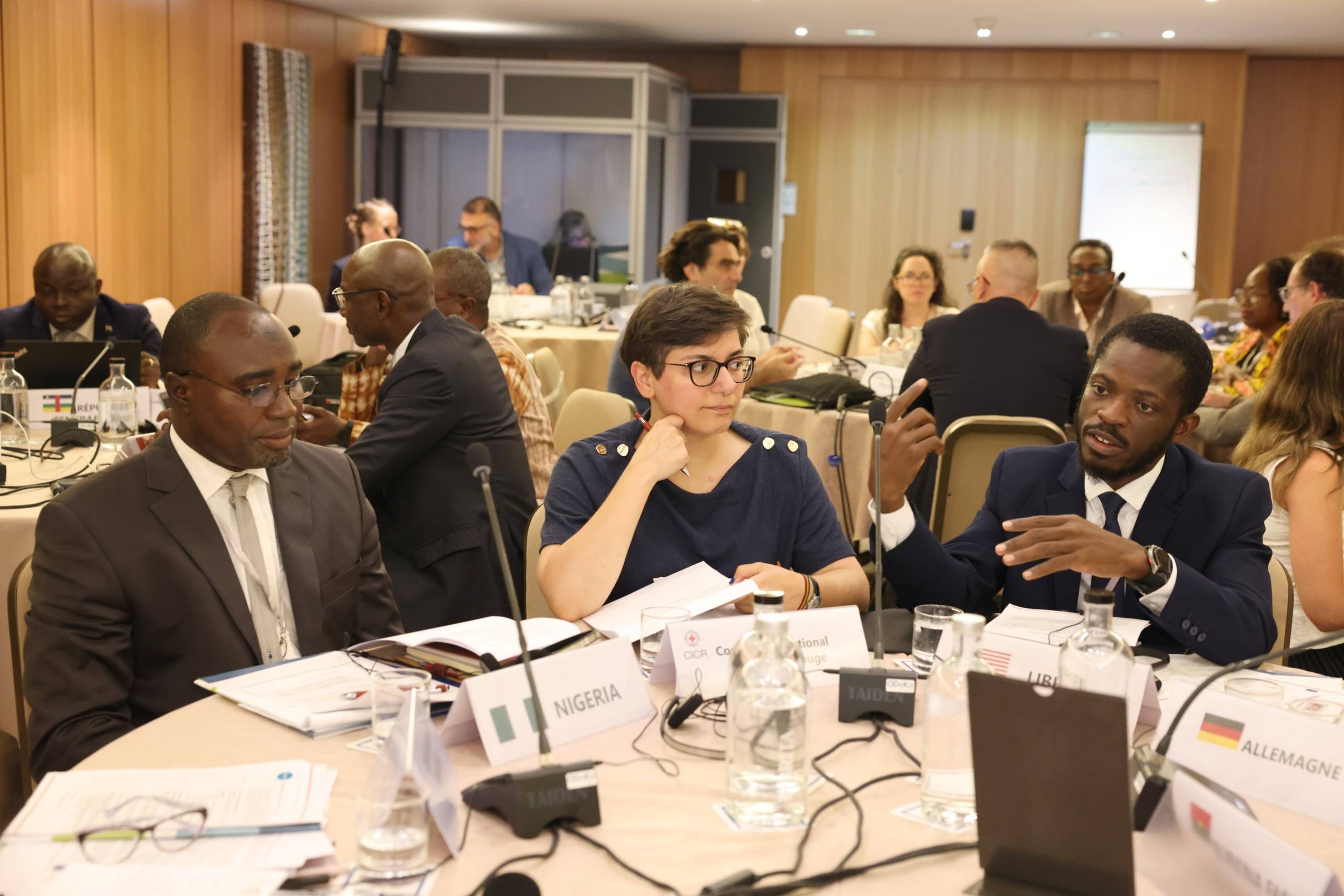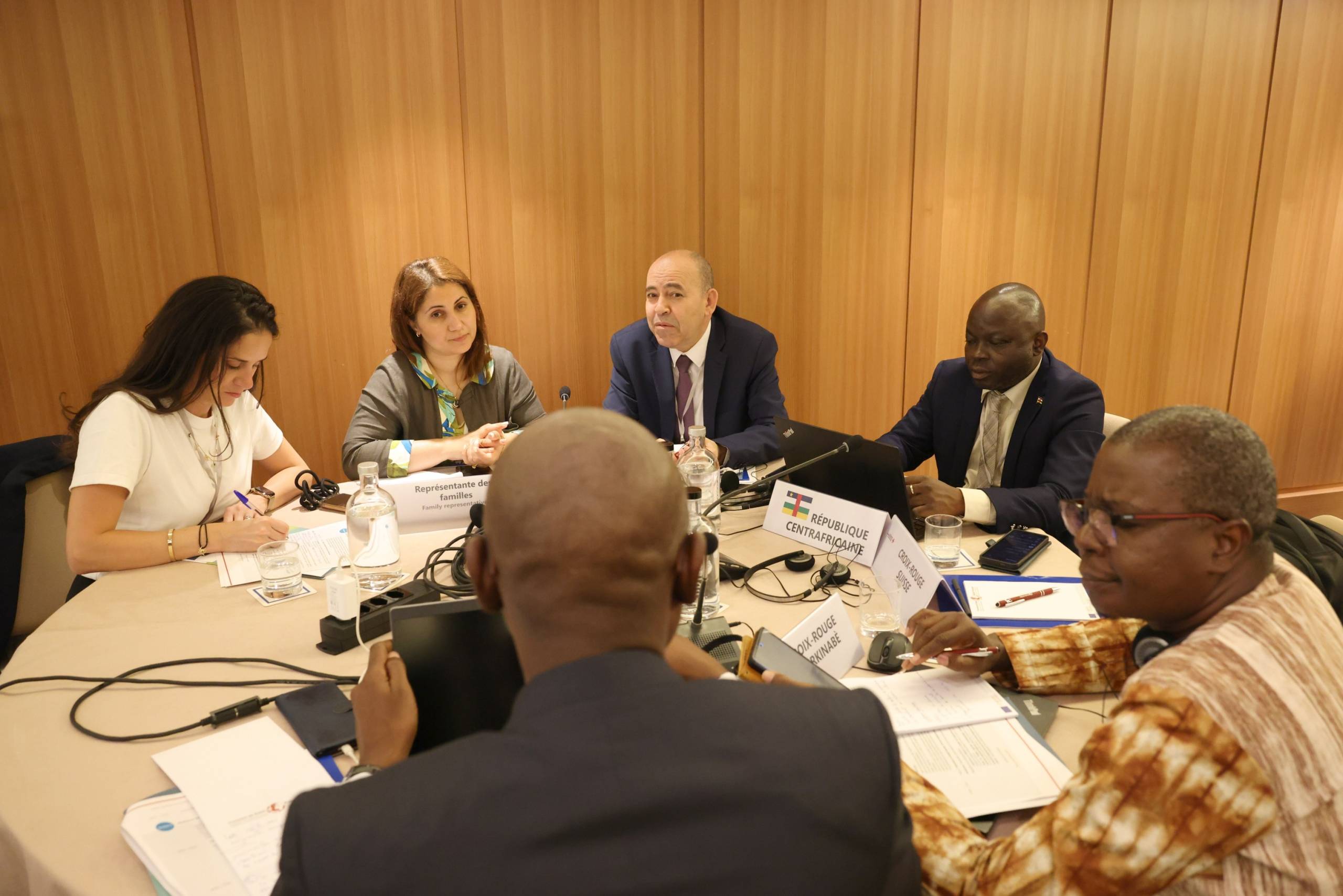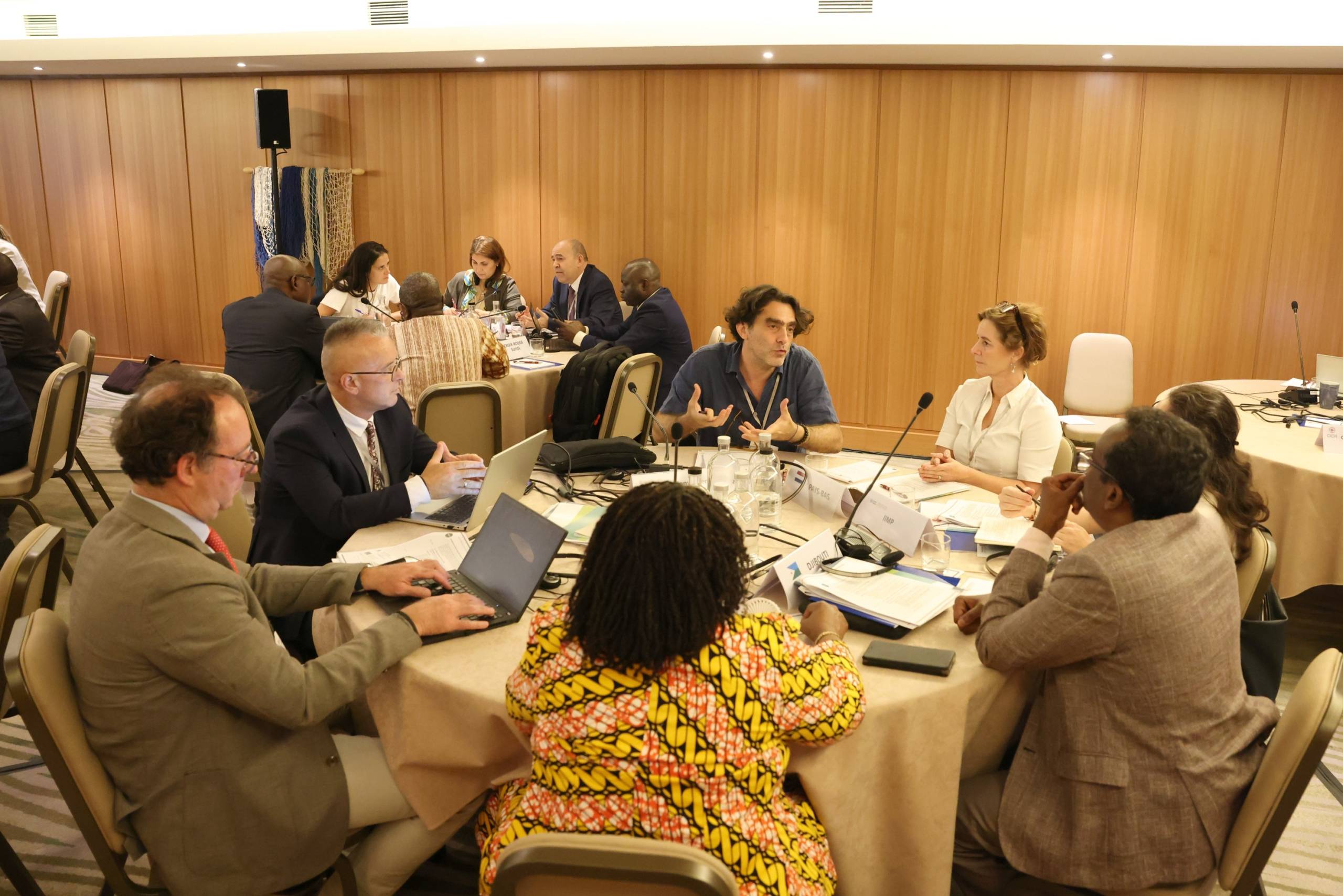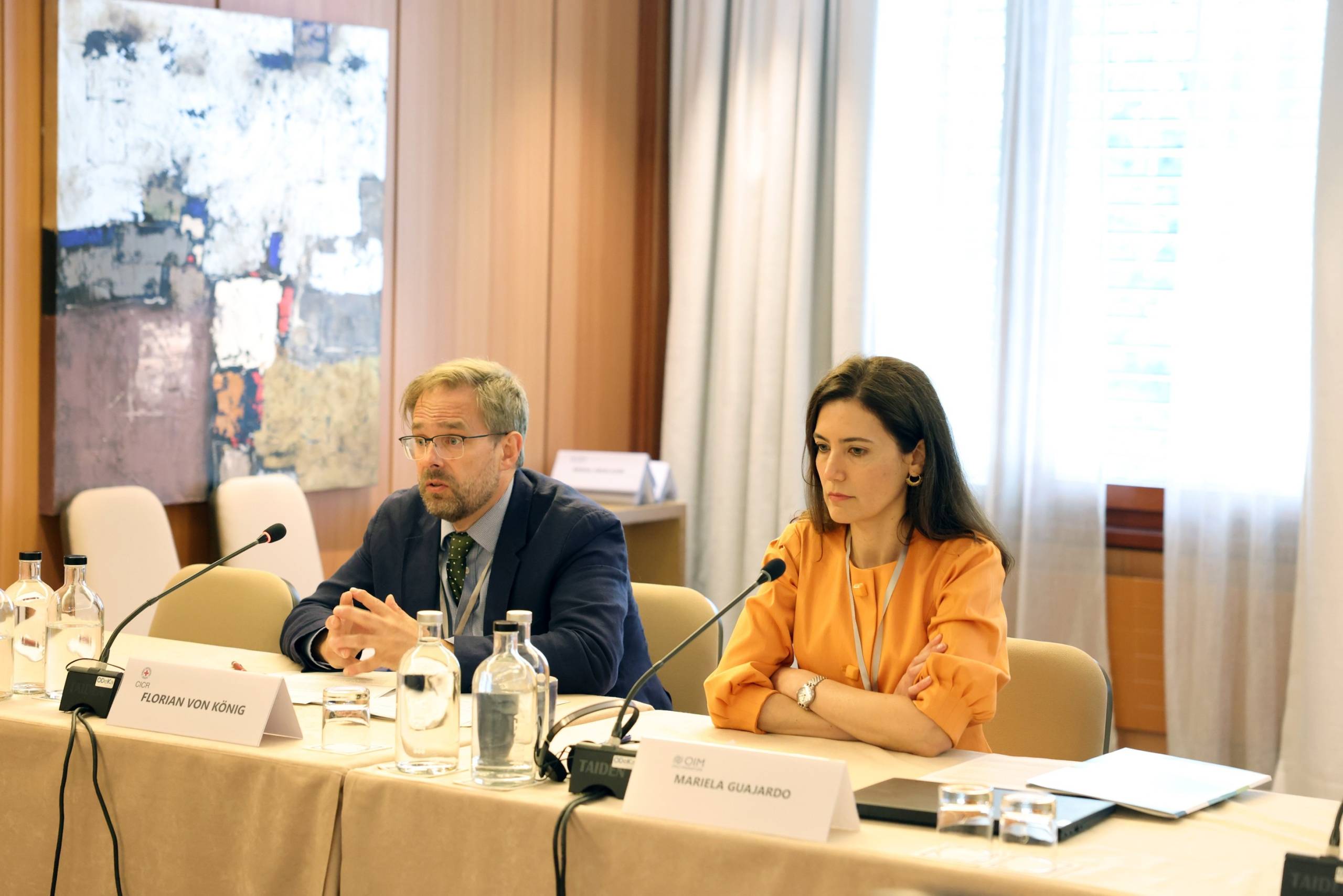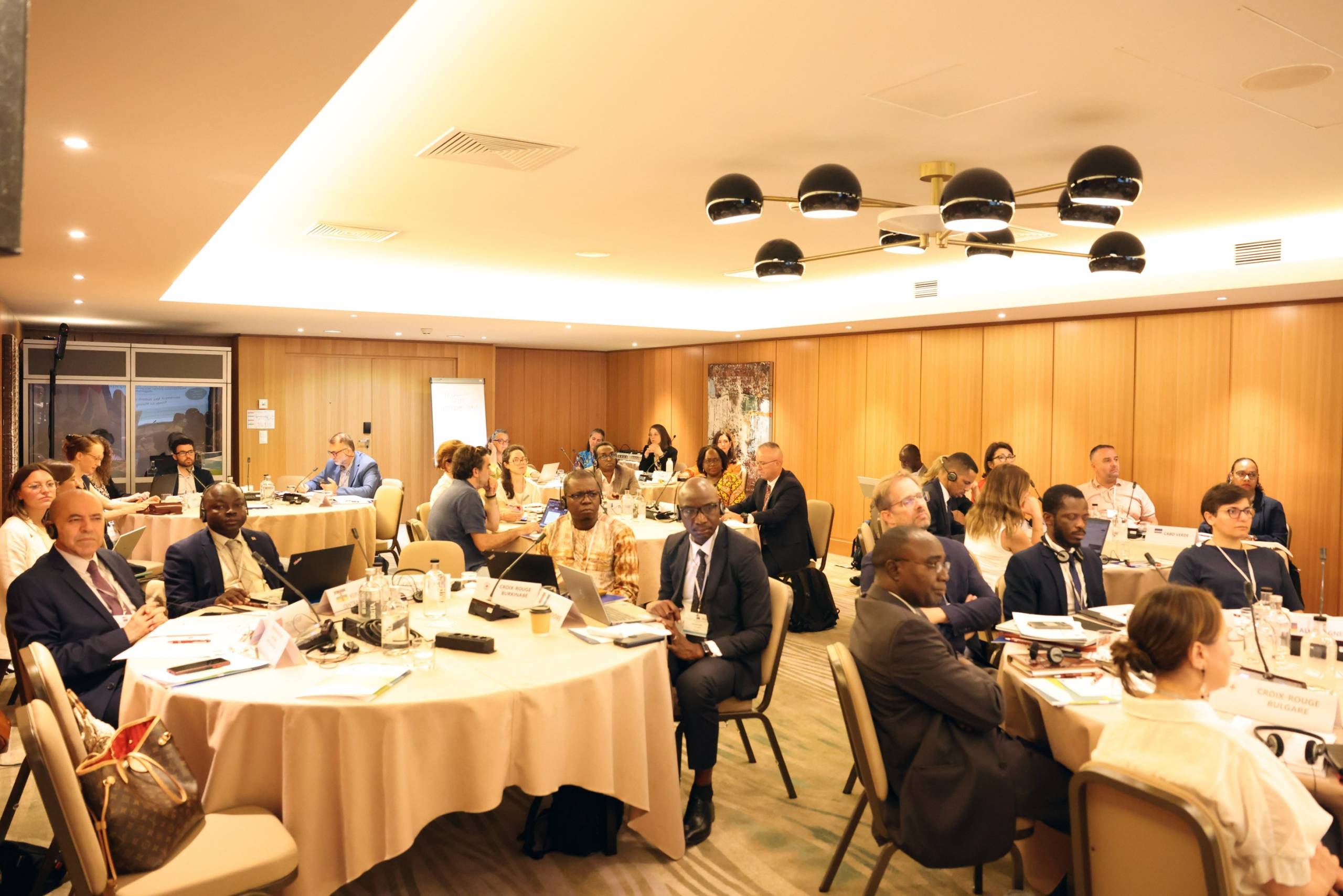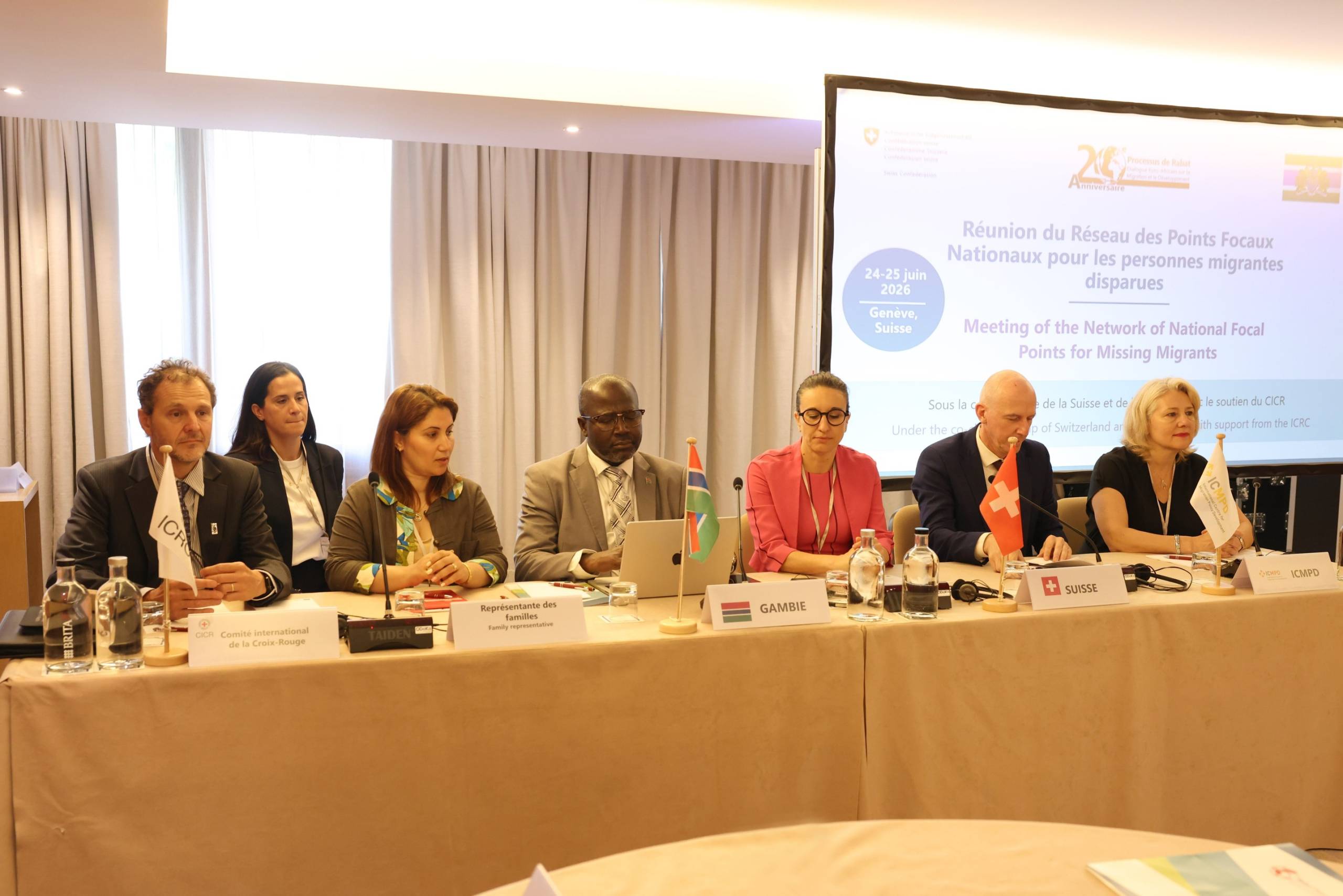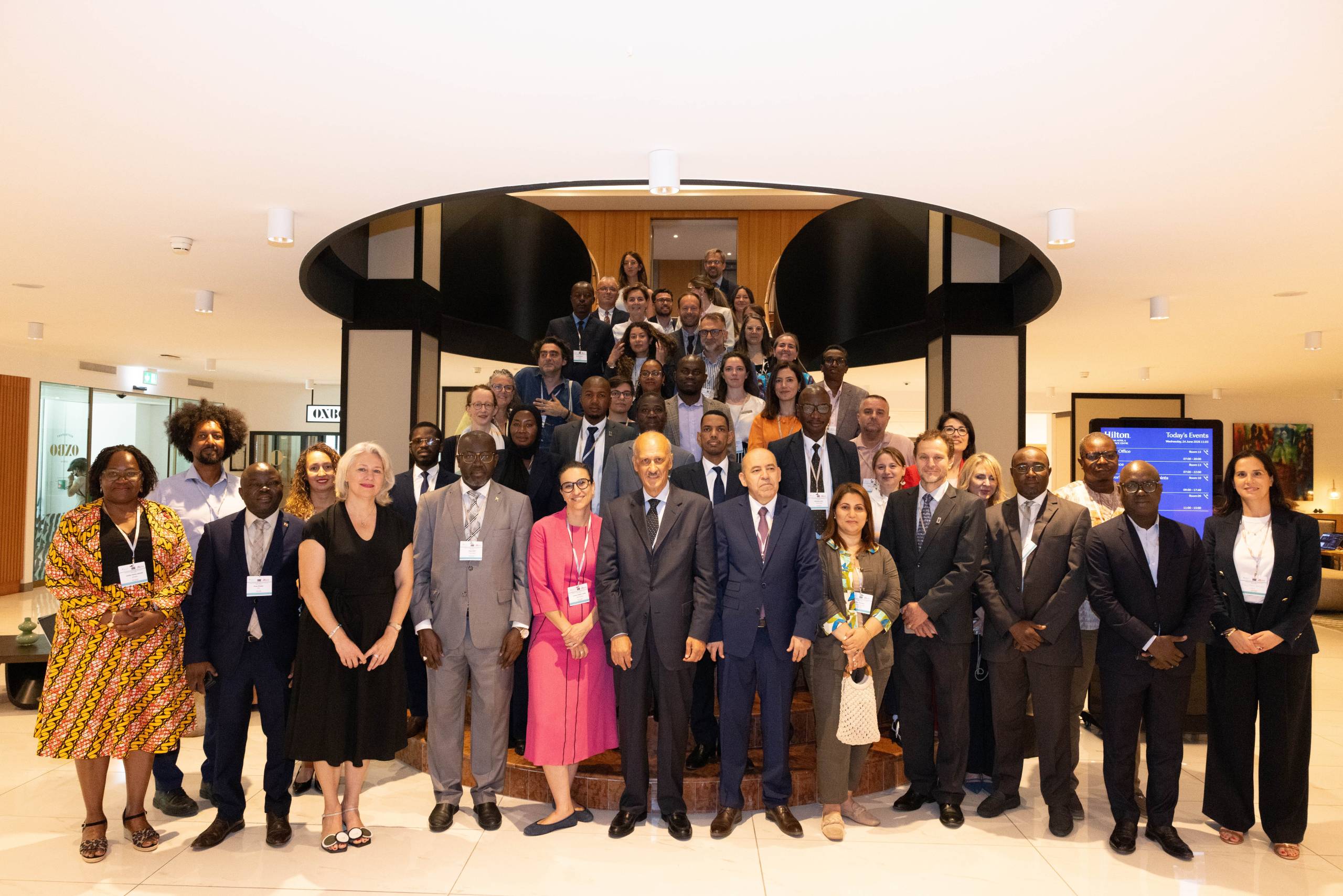


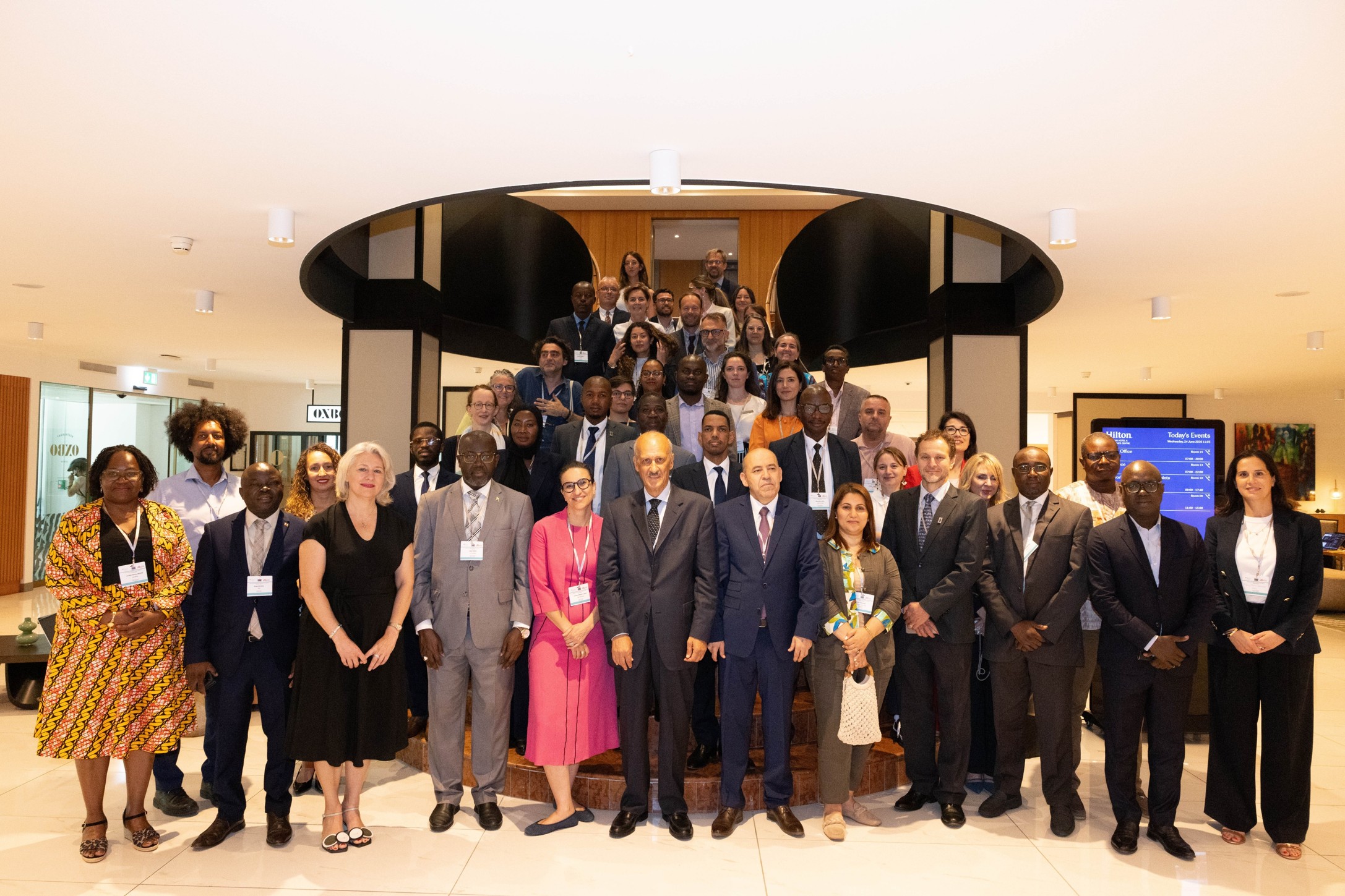
On 24-25 June 2026, the Rabat Process held the second in-person meeting of the Network of National Focal Points for Missing Migrants in Geneva, Switzerland. Co-chaired by Switzerland and The Gambia, with the active support of the International Committee of the Red Cross (ICRC), the meeting brought together more than 50 participants from 20 African and European partner countries, alongside representatives of international and regional organisations, civil society, Red Cross National Societies and family associations.
Building on Area 3 of the Cádiz Action Plan, particularly Objective 5b and Action 17, the meeting reaffirmed a shared commitment to preventing migrant deaths and disappearances and strengthening cooperation across countries of origin, transit and destination.
Following the first in-person meeting held in Banjul in 2025 and five online meetings since the Network’s launch in 2024, the Geneva meeting marked an important step in further consolidating the Network and strengthening its operational dimension in addressing missing migrant cases.
Against the backdrop of more than 83,000 migrant deaths and disappearances recorded worldwide since 2014 (according to the IOM Missing Migrants project), discussions focused on how countries and stakeholders can work more effectively together to prevent disappearances, support identification efforts and help provide answers to families.
National Focal Points as drivers of cooperation
The meeting highlighted the value of the Network as a platform for building trust, strengthening collaboration and supporting practical responses to missing migrant cases across borders.
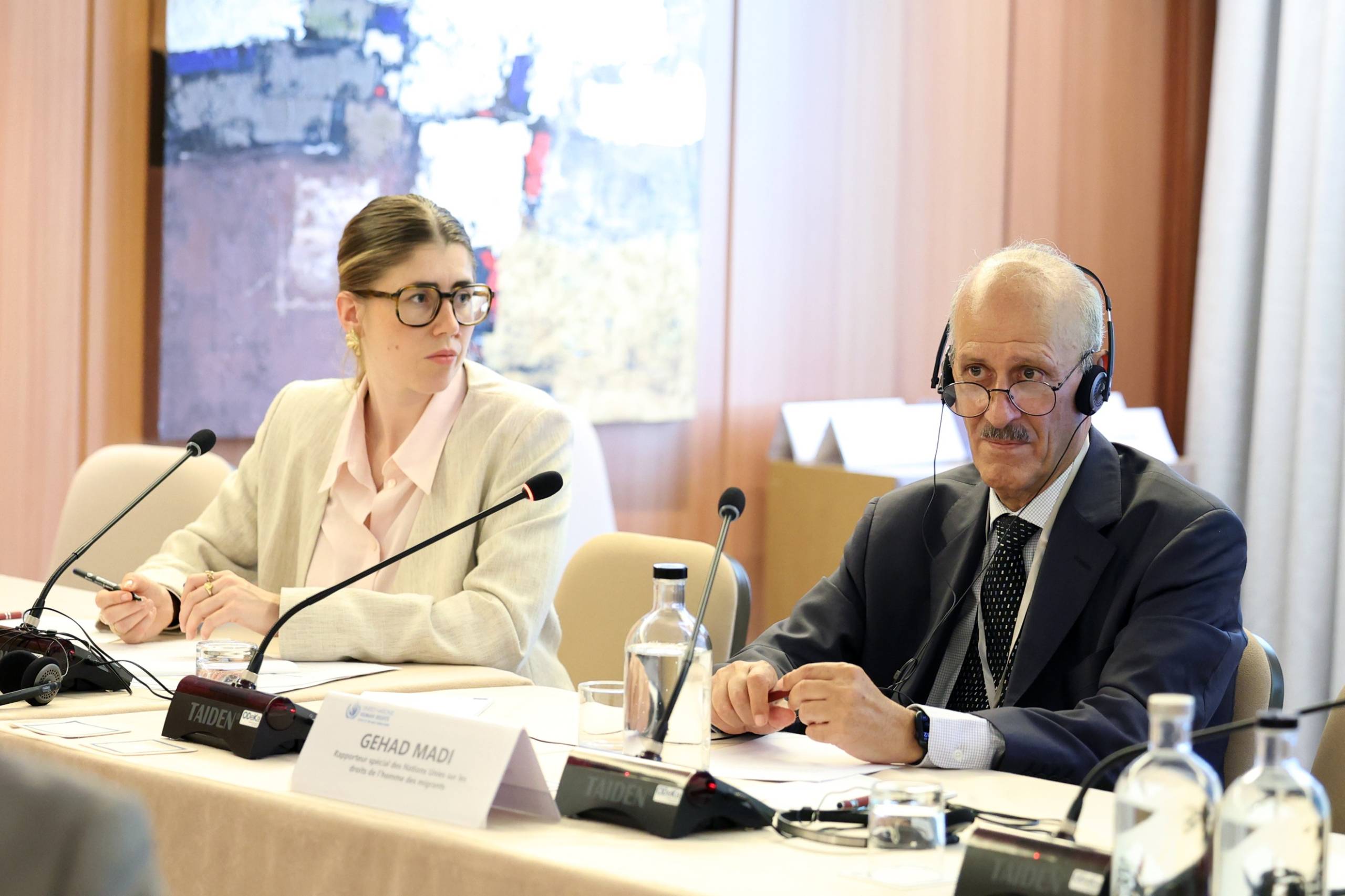
In his keynote address, Gehad Madi, UN Special Rapporteur on the Human Rights of Migrants, stressed that migrant disappearances constitute a serious human rights issue with profound humanitarian consequences for families. Emphasising that no State can address the issue alone, he highlighted the role of the Network in strengthening coordination, facilitating cross-border information-sharing, supporting search and identification efforts, and ensuring that families remain at the centre of responses.
By bringing together the institutions involved in missing migrant cases, National Focal Points can help transform fragmented responses into coordinated action at national and cross-border level. Their added value lies in facilitating information-sharing, supporting case management and promoting sustainable institutional frameworks, including coordination mechanisms, standard operating procedures and national action plans.
Discussions also underscored that effective transnational cooperation depends on strong national coordination involving competent ministries, law enforcement authorities, forensic services, consular authorities, humanitarian actors, civil society organisations and family associations.
Several countries shared experiences in strengthening national frameworks, including the establishment of a National Task Force on Missing Migrants in The Gambia and the development of coordination mechanisms and standard operating procedures in Djibouti.
Placing families at the centre
A strong consensus emerged on the need for a family-centred approach.
Participants emphasised that families of missing migrants should be recognised not only as beneficiaries of support, but also as rights-holders and key partners in search and identification efforts. Families often possess valuable information, mobilise networks and play an active role in seeking answers about the fate and whereabouts of their loved ones.
Family representatives and civil society organisations highlighted the importance of transparent communication, clear referral pathways and regular updates throughout the search and identification process. Discussions also stressed the need to strengthen cooperation with family associations and community networks, recognising their contribution to building trust and supporting families.
National Focal Points were encouraged to facilitate dialogue between authorities, families and civil society actors and to promote responses that place families' needs and rights at the centre.
Towards a more operational Network
Interactive discussions and polling exercises conducted during the meeting revealed a shared ambition to make the Network more practical, accessible and action-oriented.
Participants identified the need for stronger communication channels, clearer referral mechanisms, regular exchanges among National Focal Points, enhanced capacity-building opportunities and closer cooperation along common migration routes. They also expressed a vision of a Network that facilitates peer learning, promotes good practices and helps connect relevant institutions across countries.
Since its establishment in 2024, the Network has grown to include 34 Rabat Process partner countries and continues to develop as a platform for cooperation among States, international organisations, civil society and families.
The Geneva meeting reaffirmed a shared understanding that addressing cases of missing migrants requires sustained cooperation, practical coordination mechanisms and strong partnerships across borders. As the Network continues to mature, the focus is increasingly on practical action: to strengthen cooperation between countries and institutions, improve responses to families, and contribute to resolving missing migrant cases more effectively.
This Rabat Process-labelled meeting was fully funded by Switzerland through its Federal Department of Foreign Affairs. Switzerland currently holds the Chairmanship of the Rabat Process.