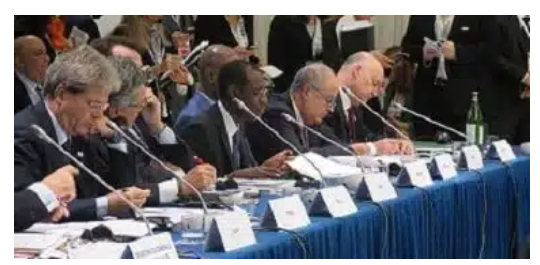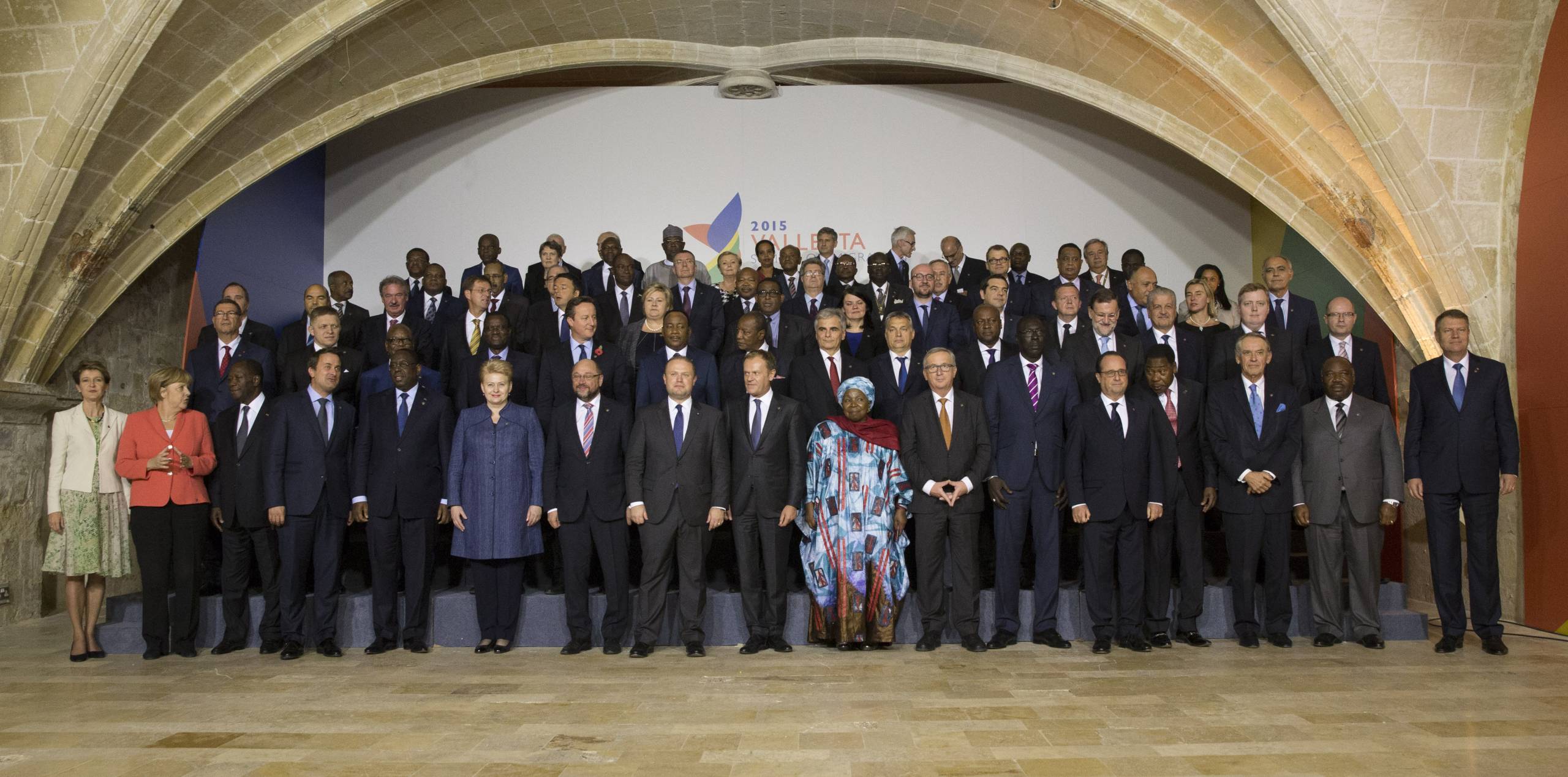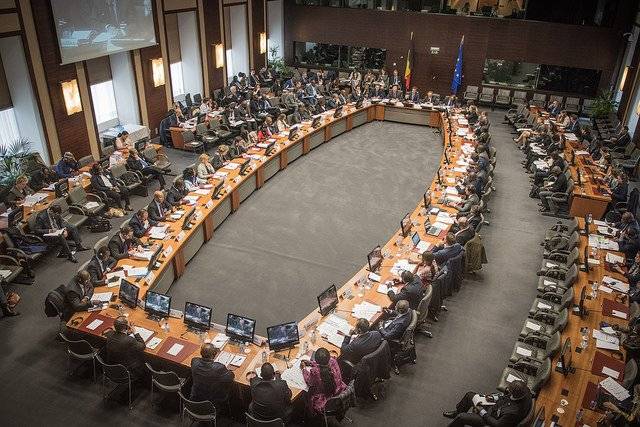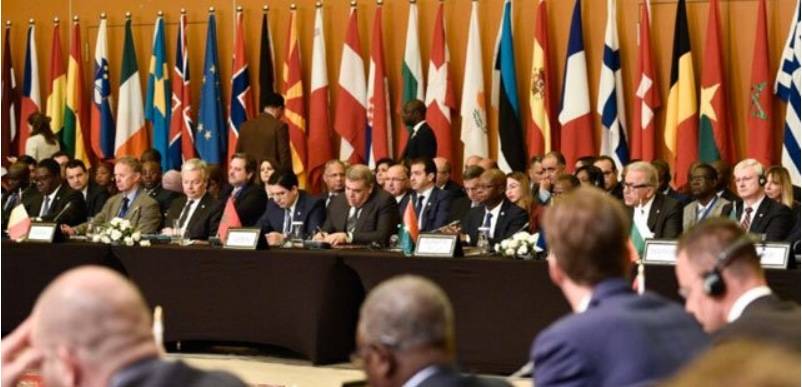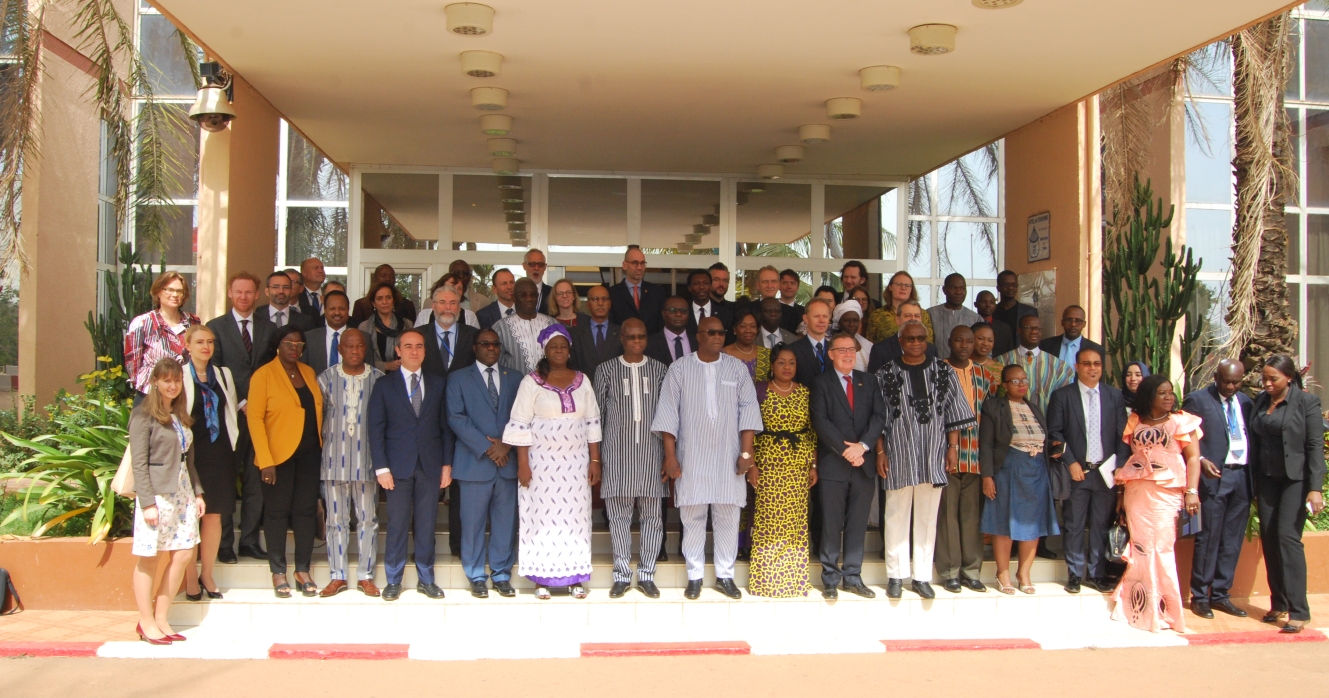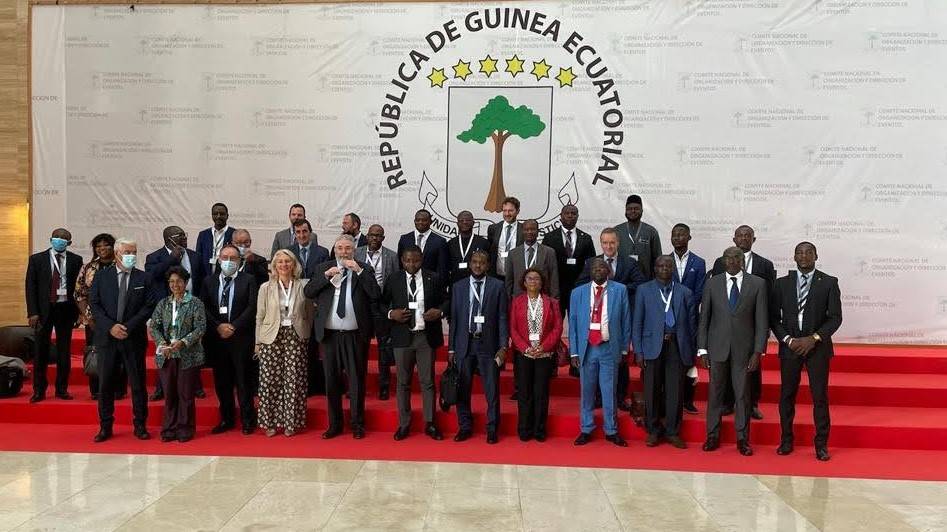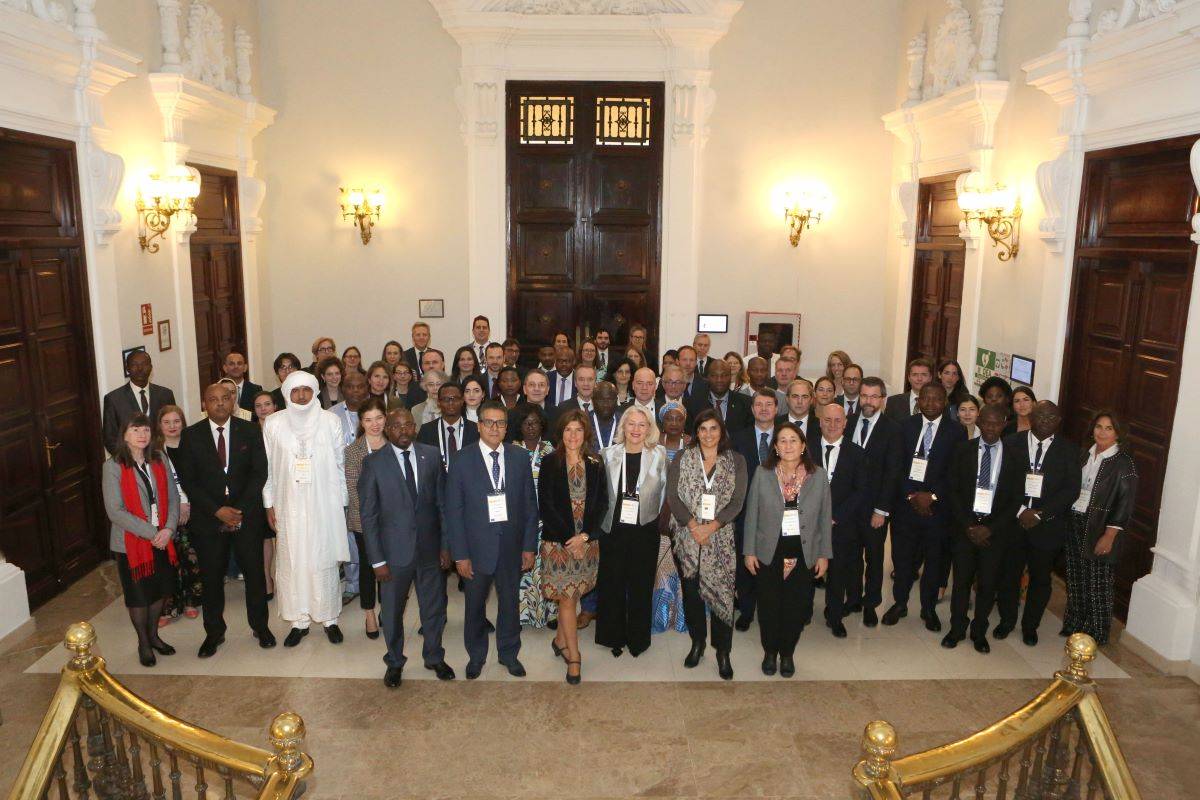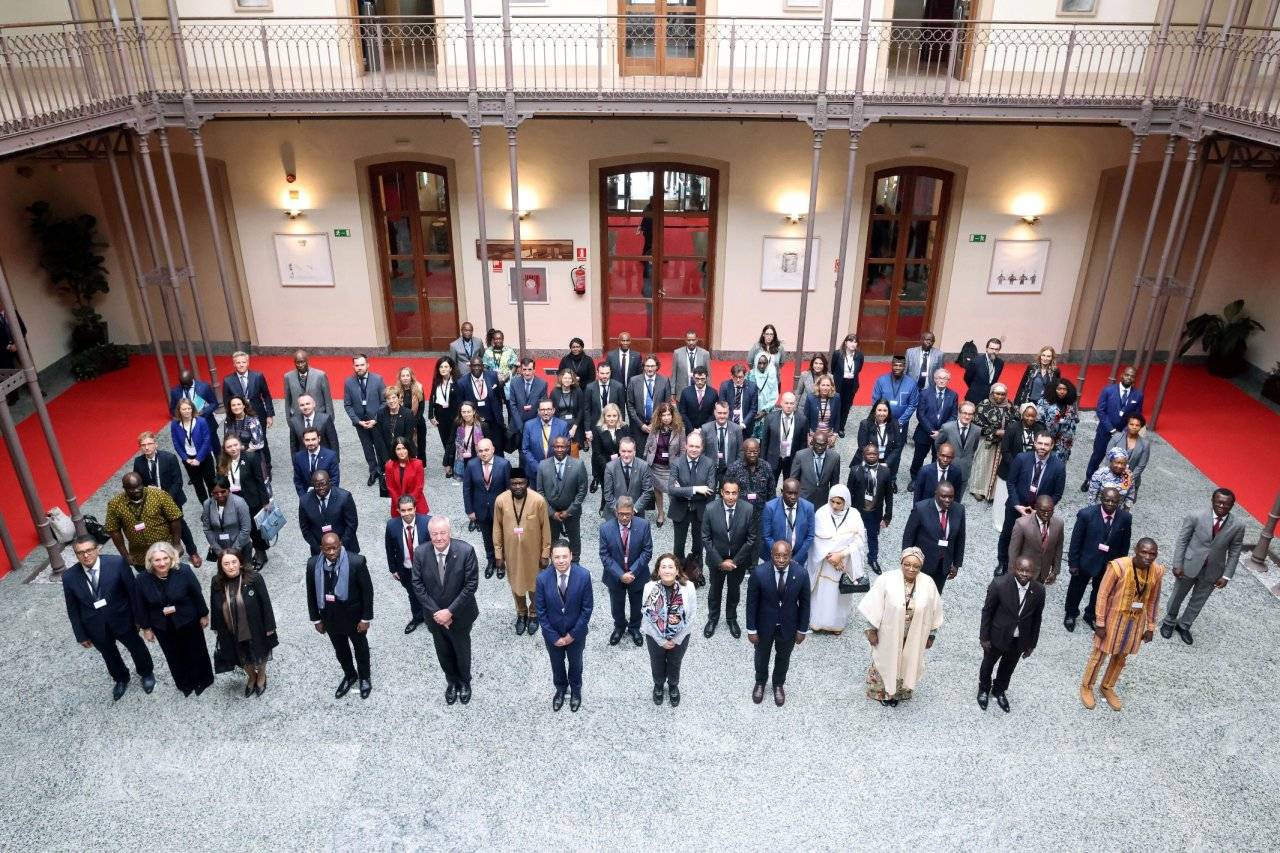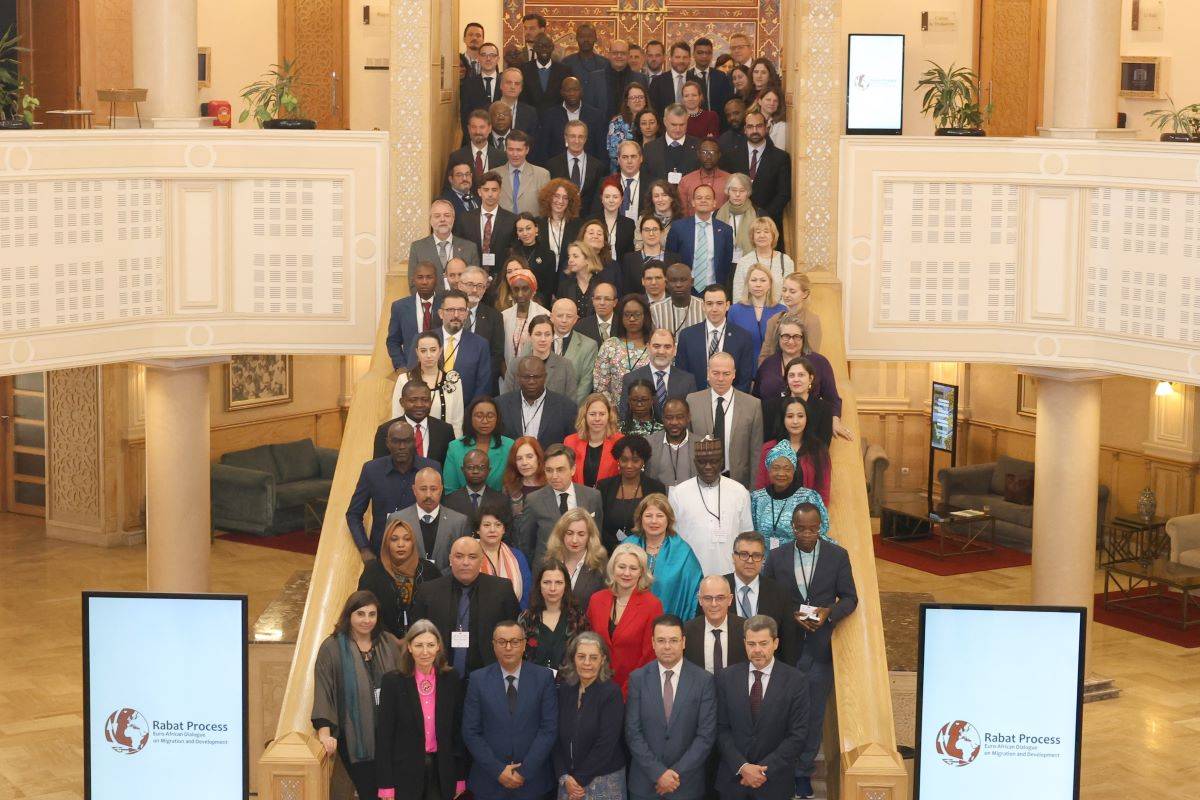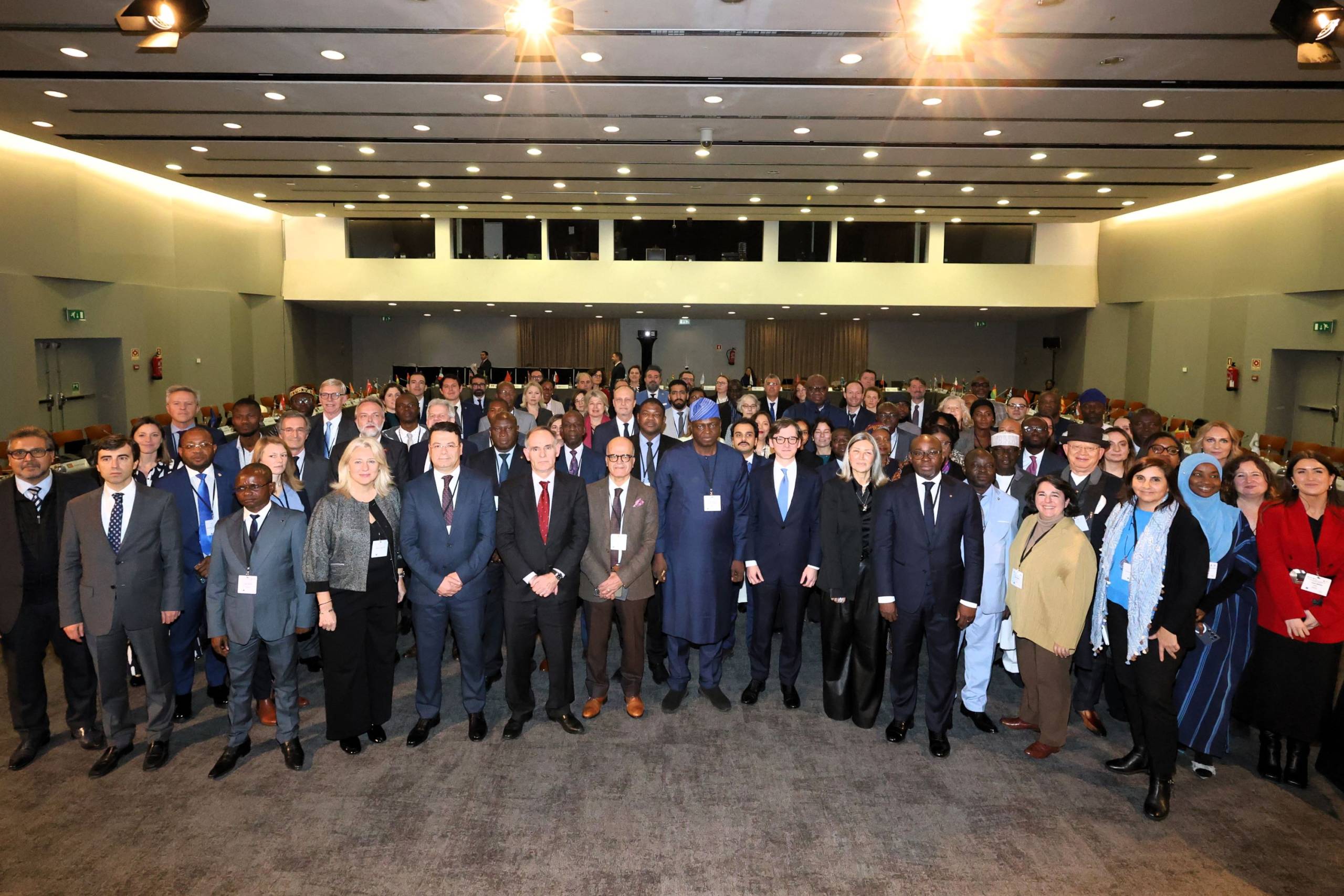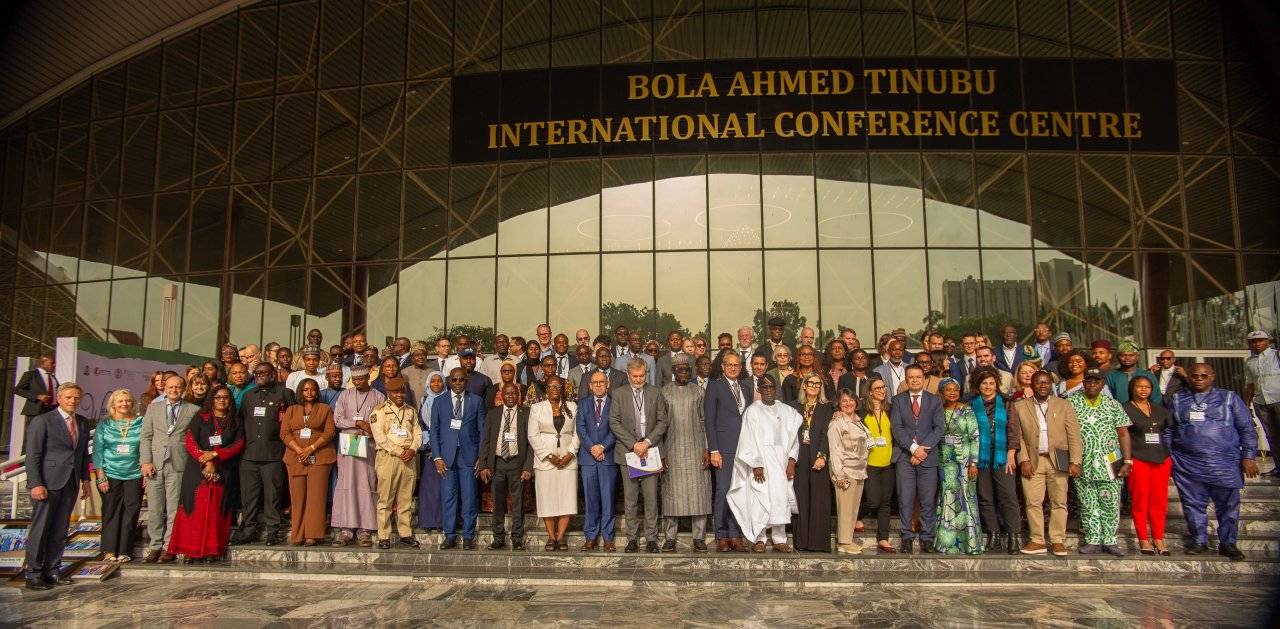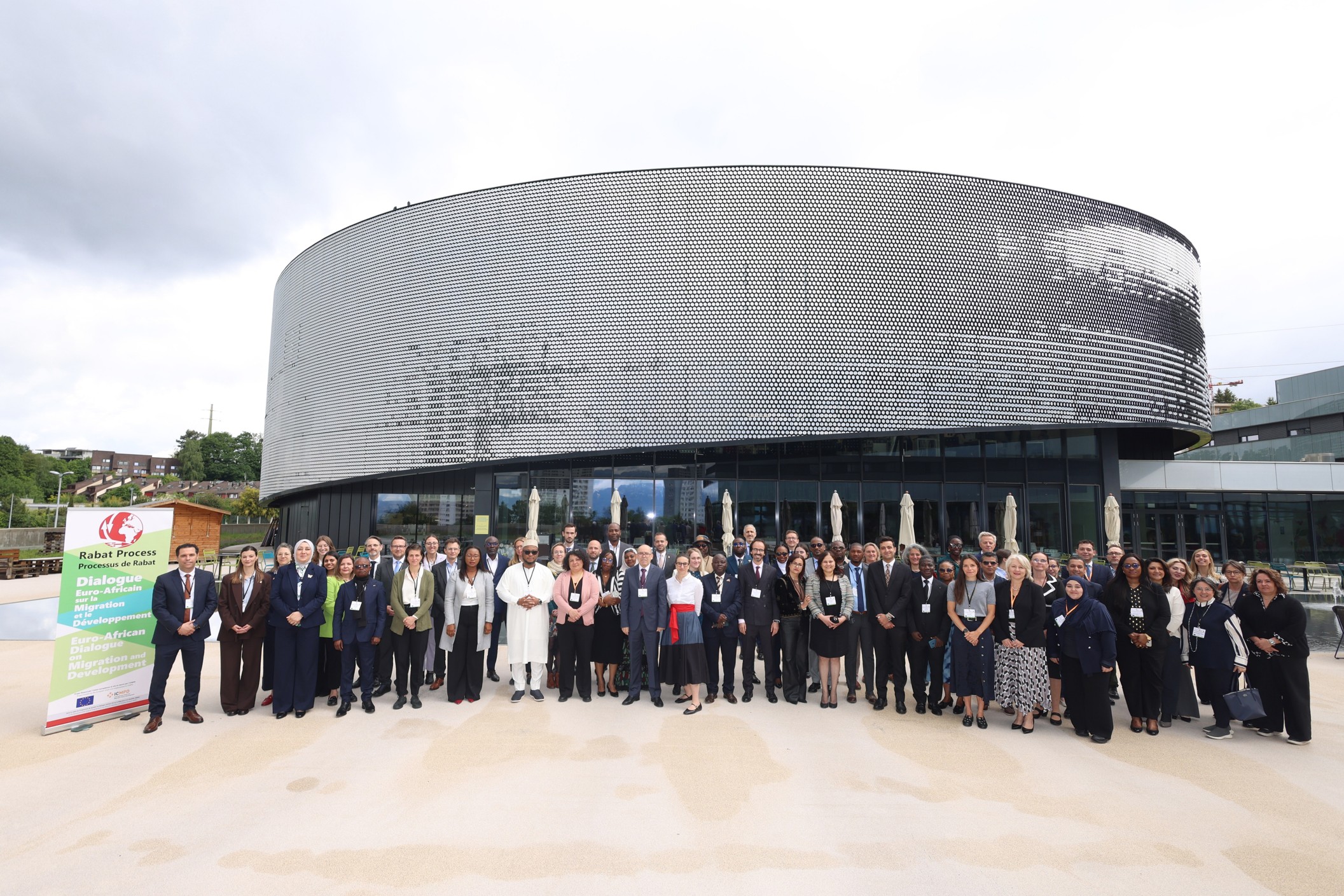


Twenty years ago, representatives from Europe and Africa gathered in Rabat with a shared conviction: migration can only be addressed effectively through constructive dialogue, partnership, and shared responsibility. The meeting resulted in the adoption of the Rabat Declaration on 11 July 2006 and laid the foundations for what would become the Rabat Process, bringing together countries of origin, transit and destination along the migration routes connecting Central, West and North Africa with Europe.
As the Dialogue enters its third decade, this anniversary is a moment to reflect on two decades of collaboration, recognise the trust built among partners, and renew a shared commitment to addressing migration and development together.
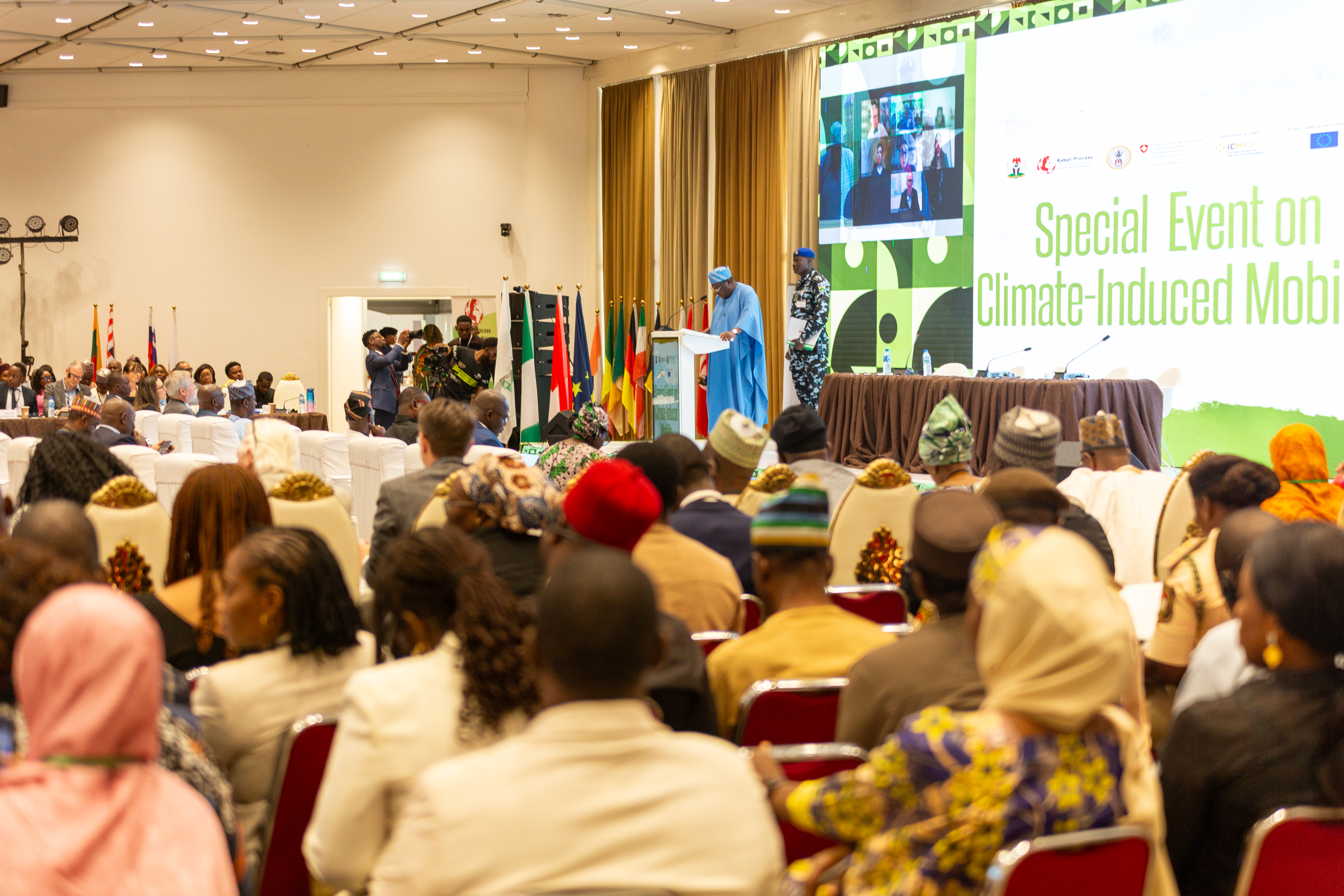
When Switzerland assumed the chairmanship of the Rabat Process at the Senior Officials Meeting held in Abuja (Nigeria) in January 2026, Cristina Probst-Lopez, Head of International Cooperation at the State Secretariat for Migration, reflected on the importance of this shared journey: "This anniversary is a moment of reflection, looking back on past achievements; an occasion to celebrate; but also, an opportunity to look into the future and reaffirm our commitment to further strengthen our collaboration”.
From Rabat to Cadiz – 20 years of Euro-African cooperation
The Rabat Process was launched at the initiative of its four founding partners – Spain, Morocco, France, and Senegal - in response to growing migration movements between Africa and Europe.
When the Rabat Declaration was adopted in 2006, it established a new framework for cooperation built on partnership and shared responsibility. It also recognised the importance of addressing migration challenges and opportunities collectively, also recognising migration as a driver of development.
Over the years, the Rabat Process expanded both its memberships and its scope. What began as a forum focused on emerging migration dynamics gradually developed into a broad framework for cooperation, enabling partners to address migration-related opportunities and challenges through a shared, balanced and lasting approach. Through regular exchanges at technical, senior official and ministerial levels, partners have deepened mutual understanding, strengthened cooperation and responded collectively to evolving challenges.
A key turning point came with the adoption of the Dakar Strategy in 2011. Its guiding principles – dialogue, flexibility, coherence, commitment and shared responsibility – have helped shape the Process ever since, providing continuity while allowing it to adapt to a changing migration landscape shaped by new drivers, shifting routes and global crises. This adaptability has been reflected in the six Ministerial Conferences held since 2006 - in Rabat, Paris, Dakar, Rome, Marrakesh and most recently Cadiz - each contributing to the evolution of a common and balanced approach to migration and development.
Today, the Cadiz Action Plan (2023-2027) builds on this legacy and continues to guide cooperation among partners.
Key milestones in the Dialogue's strategic development
The first Action Plan laid the foundation for the Dialogue, aiming to promote a ‘close partnership’ between the countries along the West African migration route.
2008 – Triennial Cooperation Programme
Building on the momentum of the Rabat Conference, the Programme further developed cooperation on legal migration, irregular migration, and migration and development.
2011 – Dakar Strategy
The Dakar Strategy marked a shift towards implementing operational initiatives. It introduced a framework built around five guiding principles and ten priority objectives that continue to shape the Dialogue.
2014 – Rome Programme
The Rome Programme expanded the thematic scope of the Process by introducing international protection as a fourth pillar. It also reinforced focus on the migration-development nexus and the prevention of irregular migration and related crimes.
2018 – Marrakesh Action Plan
The Marrakesh Action Plan strengthened the operational dimension of the Dialogue through the creation of the Reference countries system. It also embedded a series of cross-cutting priorities, including human rights, gender equality, protection of migrants, regional cooperation, multi-stakeholder engagement, and improved data management. The Plan further emphasised complementarities with the Joint Valletta Action Plan (2015).
2023 – Cadiz Action Plan (2023-2027)
The most recent strategic framework reinforced the institutional architecture of the Dialogue through the enlargement of the Steering Committee, with Niger, Nigeria, the Netherlands and Switzerland joining as new members. It also granted permanent observer status to UNHCR, IOM, UNODC and the ICRC; introduced the issue of missing migrants into the framework; and emphasised increased attention to women, youth and diasporas as agents of positive change and development.
Building trust across regions
Beyond its political declarations and action plans, one of the Rabat Process's most significant achievements has been its ability to bring together countries with different perspectives, experiences and priorities around a common agenda.
Over two decades, it has fostered lasting relationships between African and European partners, encouraged the exchange of experiences and supported more coordinated approaches to migration and development. Its continued relevance reflects the commitment of participating countries and organisations to work together on a shared set of challenges and opportunities.
Marking 20 years
The twentieth anniversary of the Rabat Process will be celebrated in Rabat, Morocco, on 9-10 December 2026, returning to the city where this Euro-African partnership first took shape – Rabat (Morrocco).
The commemorative event will provide an opportunity to celebrate the journey since 2006, highlighting the milestones, achievements and partnerships that have shaped the Rabat Process over the past two decades.
To highlight this milestone, a Legacy Paper is being developed to document the evolution of the Dialogue between 2006 and 2026. The publication will trace its institutional milestones and thematic developments, showcase key achievements, and capture lessons learned from 20 years of Africa-Europe cooperation on migration and development.