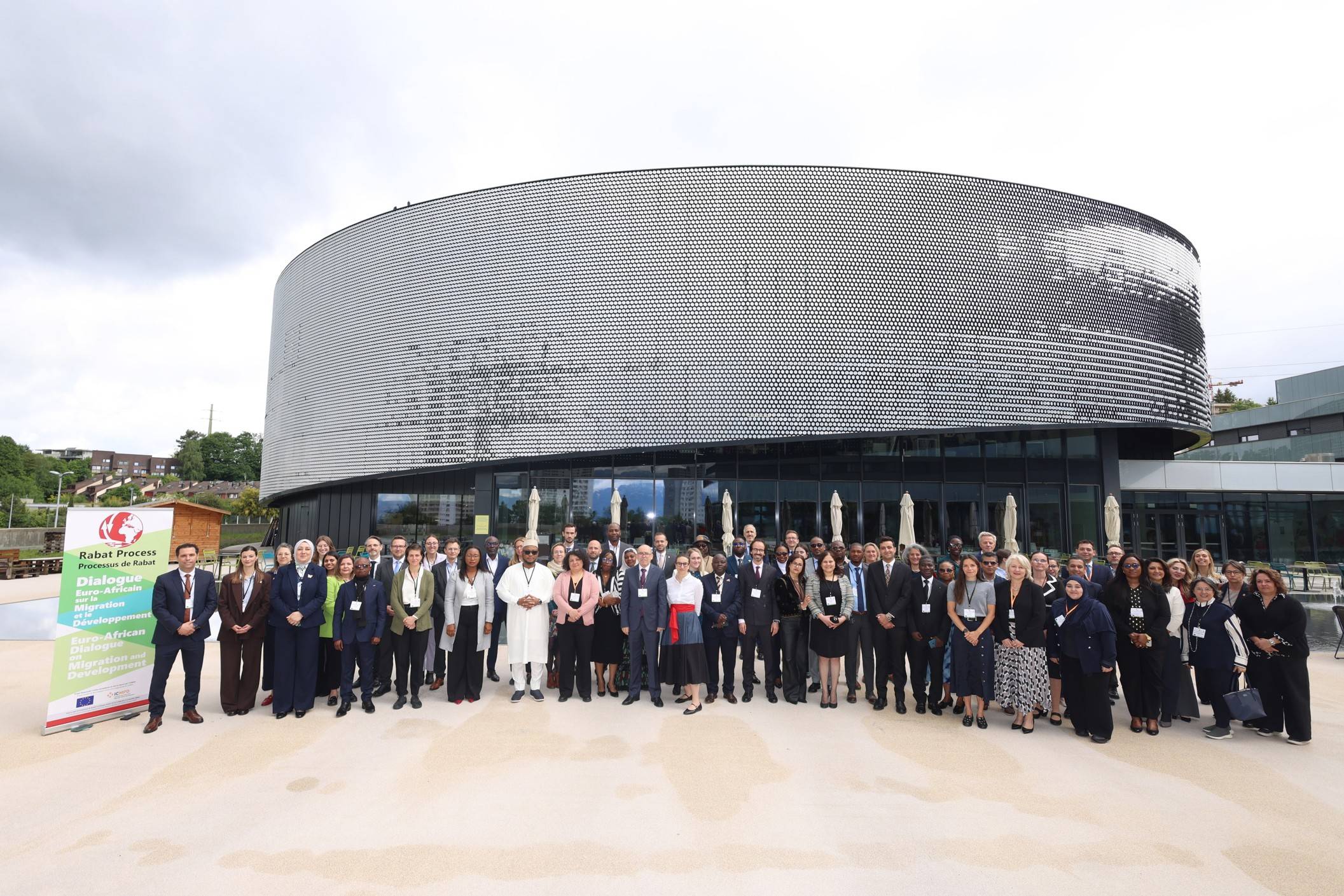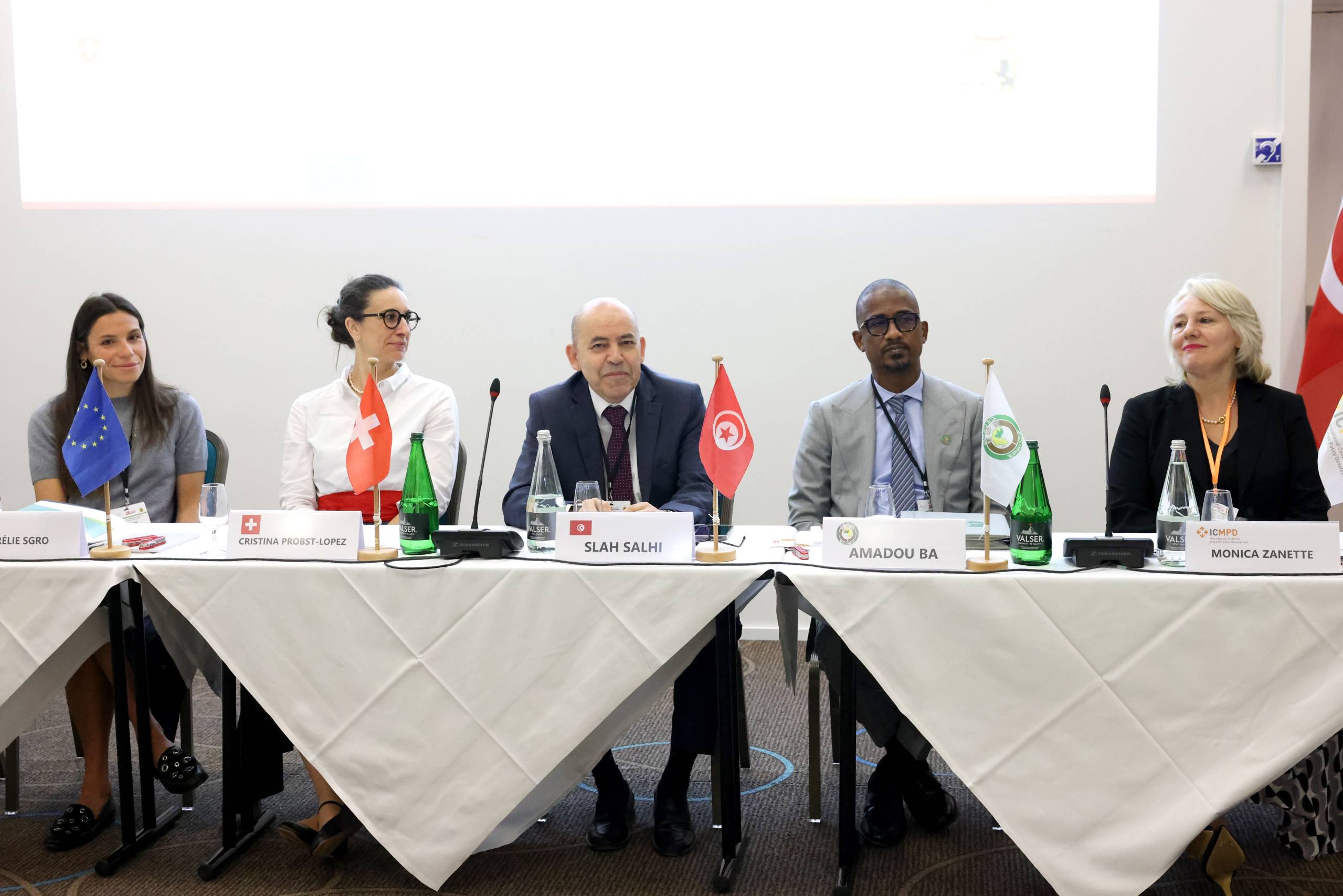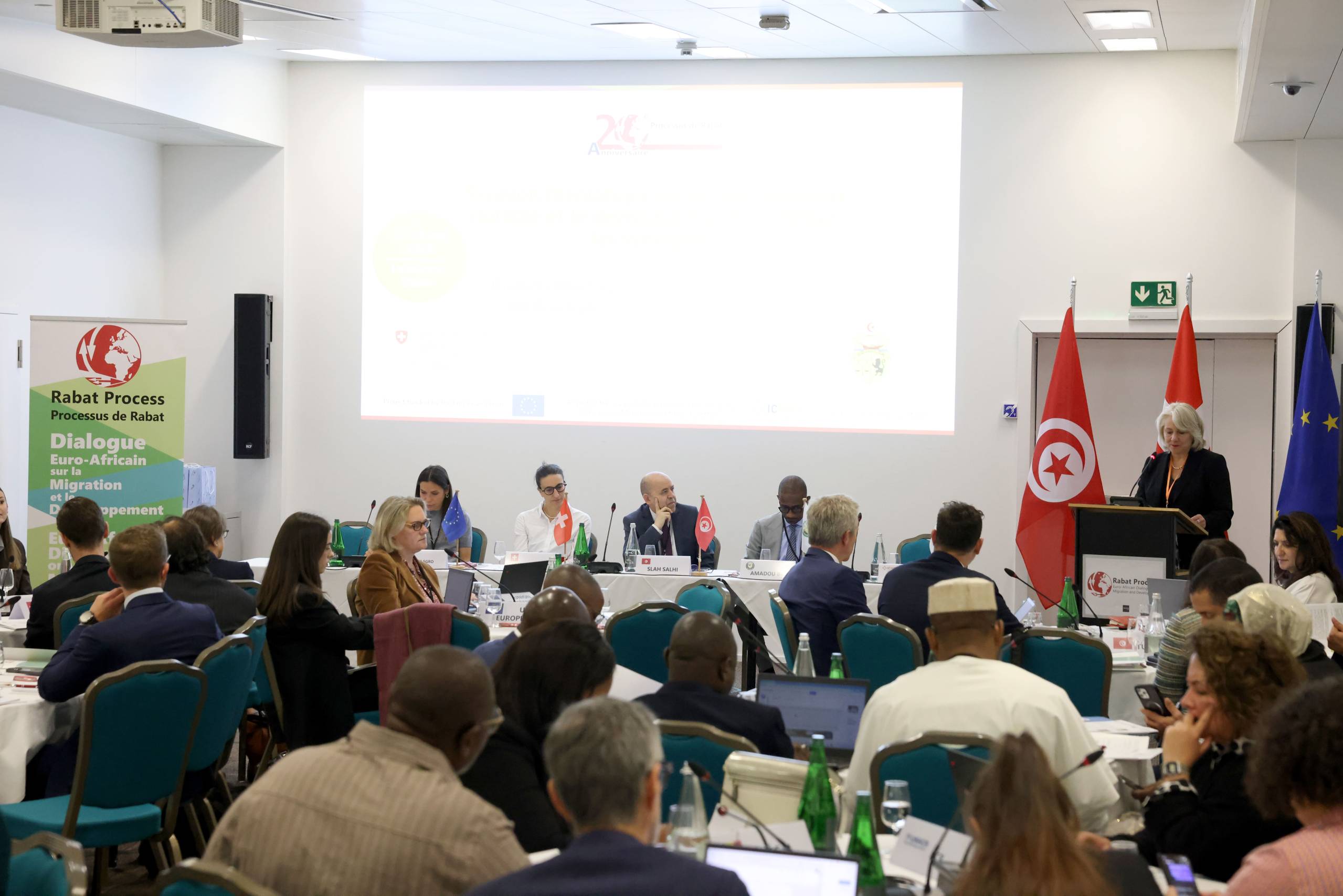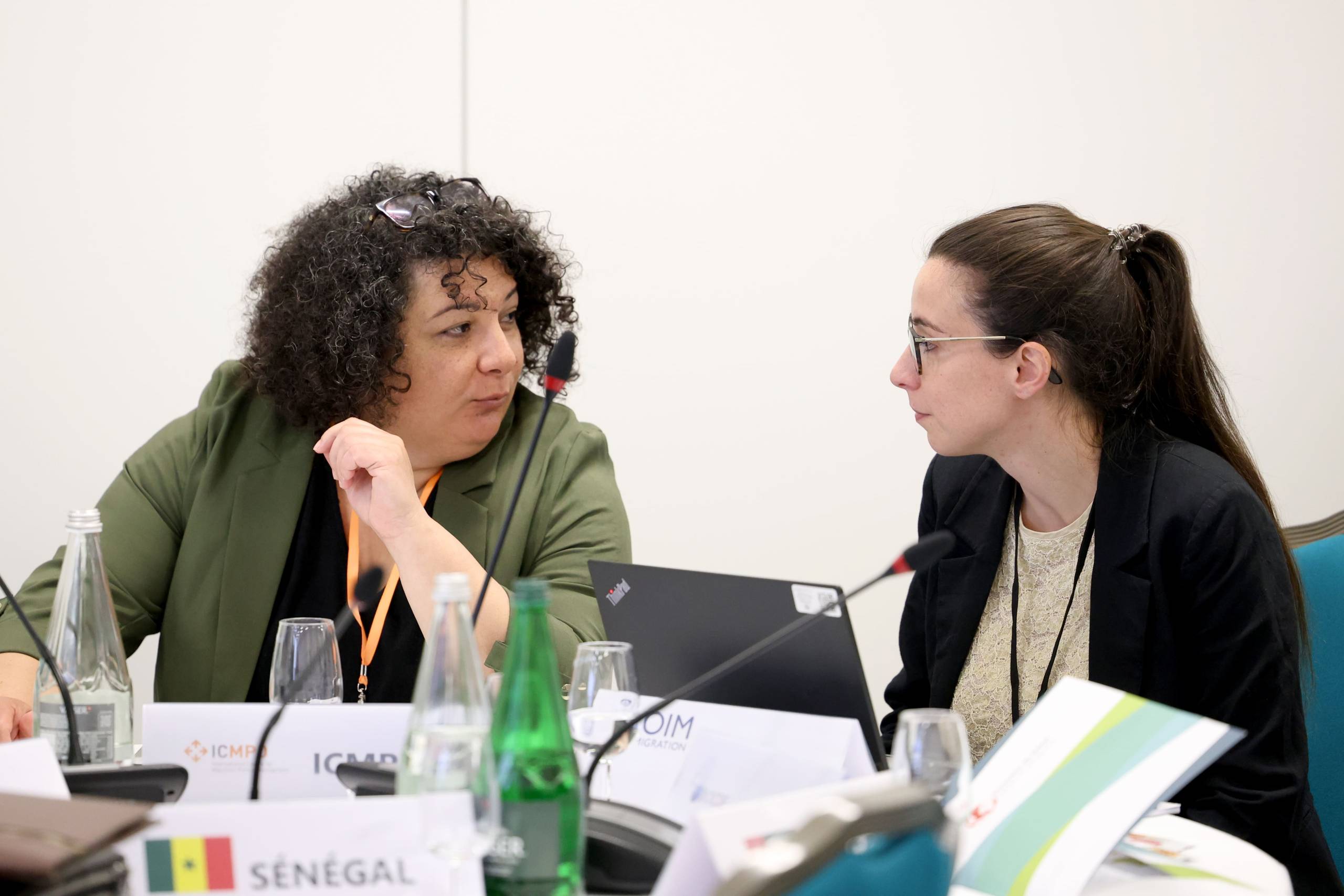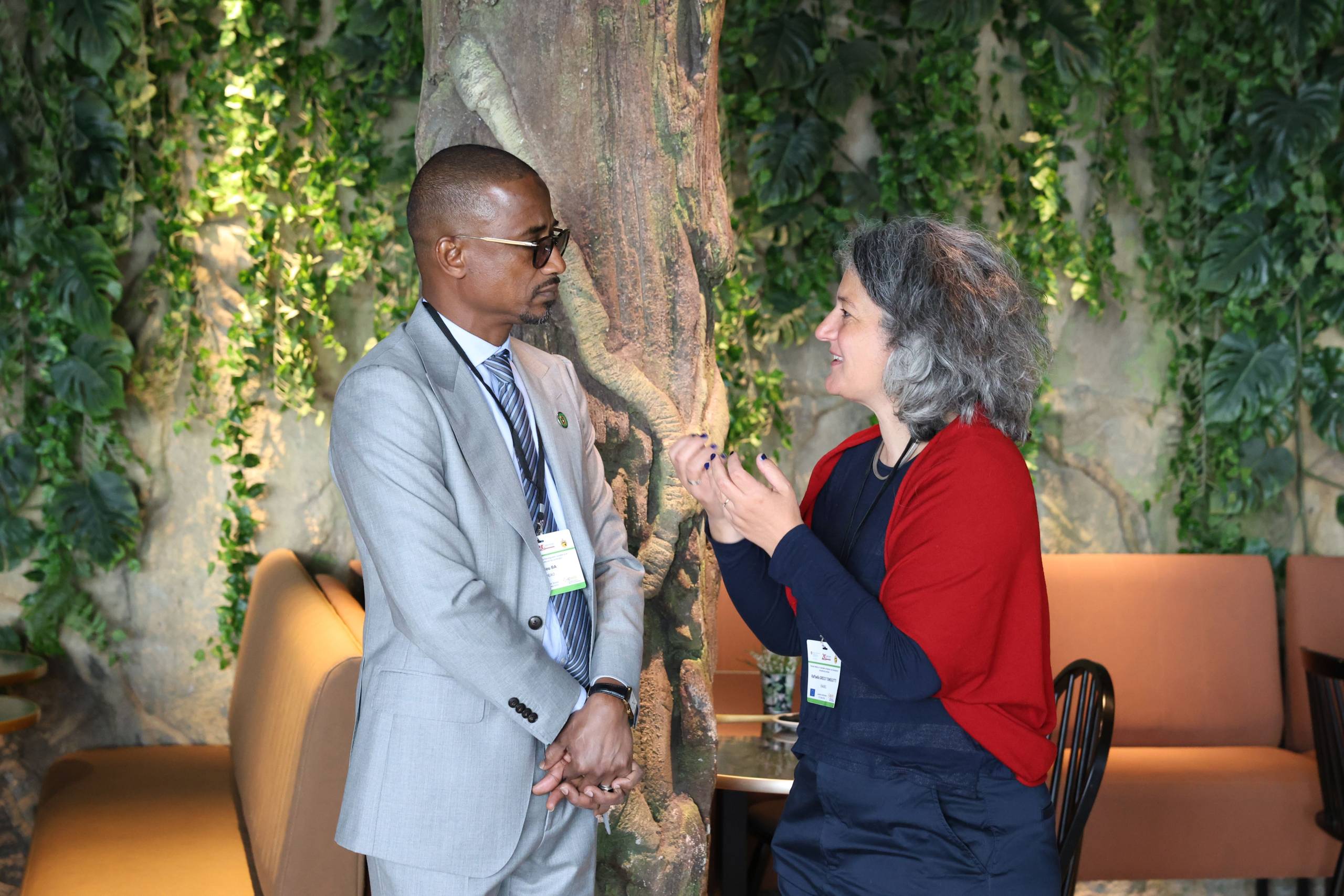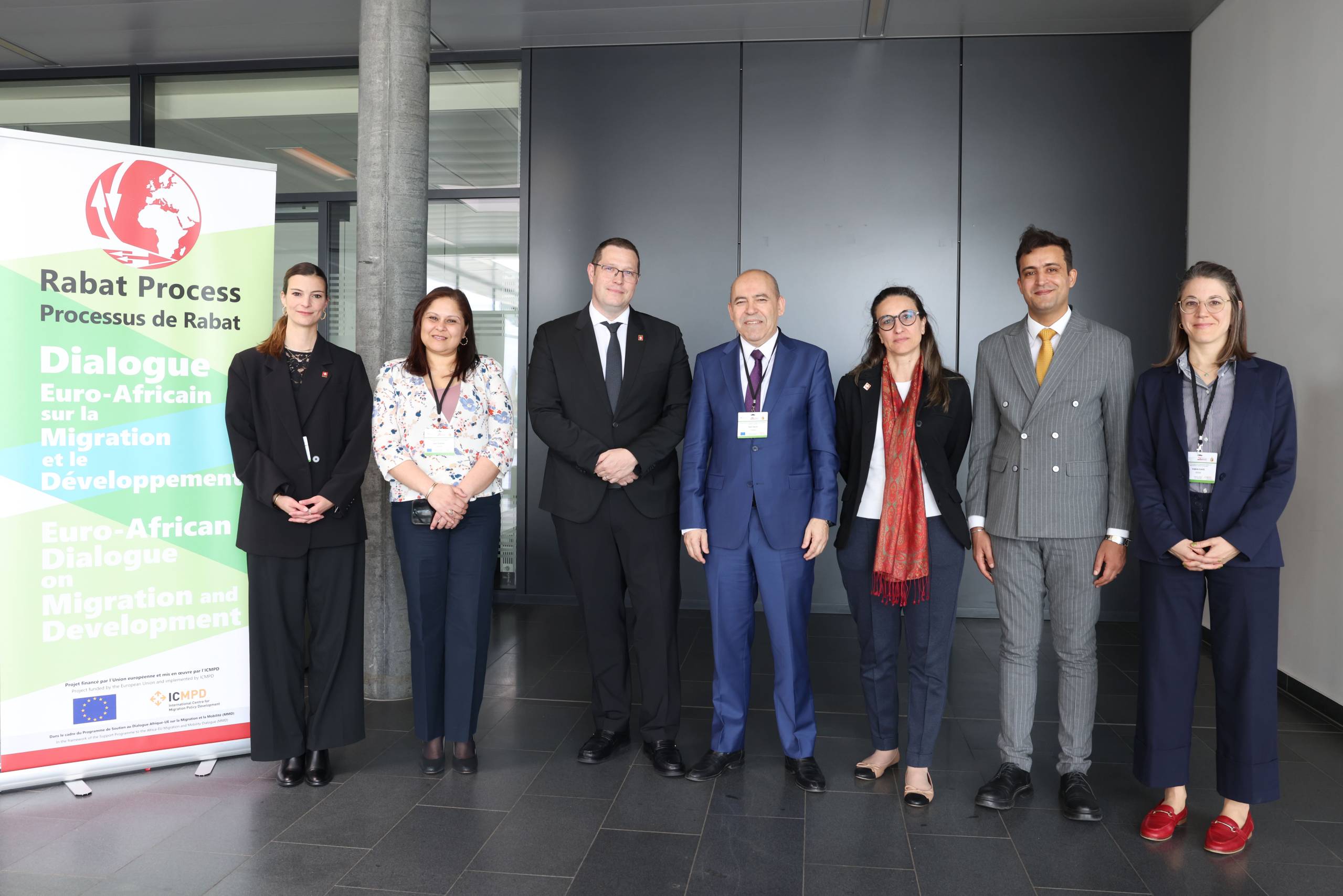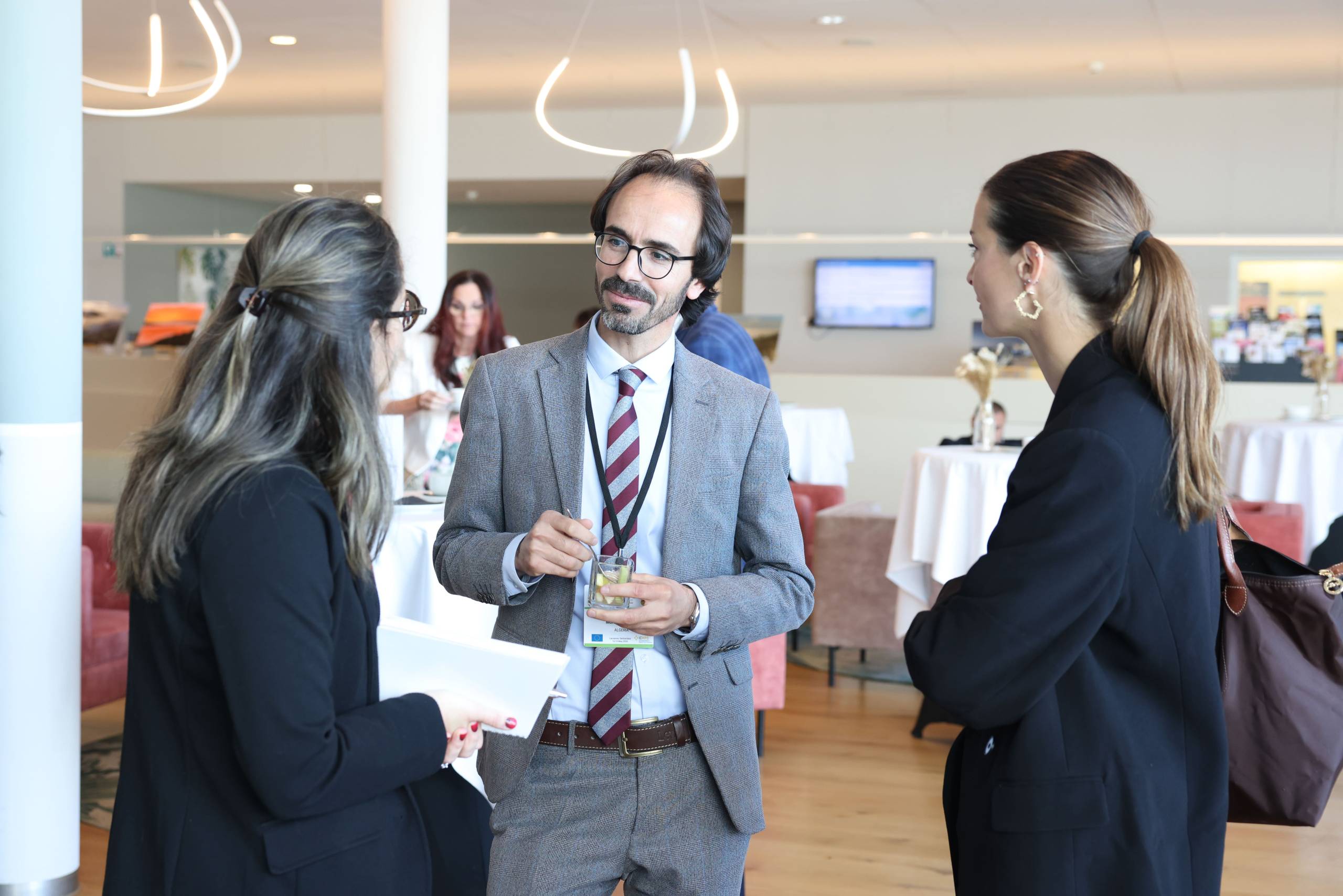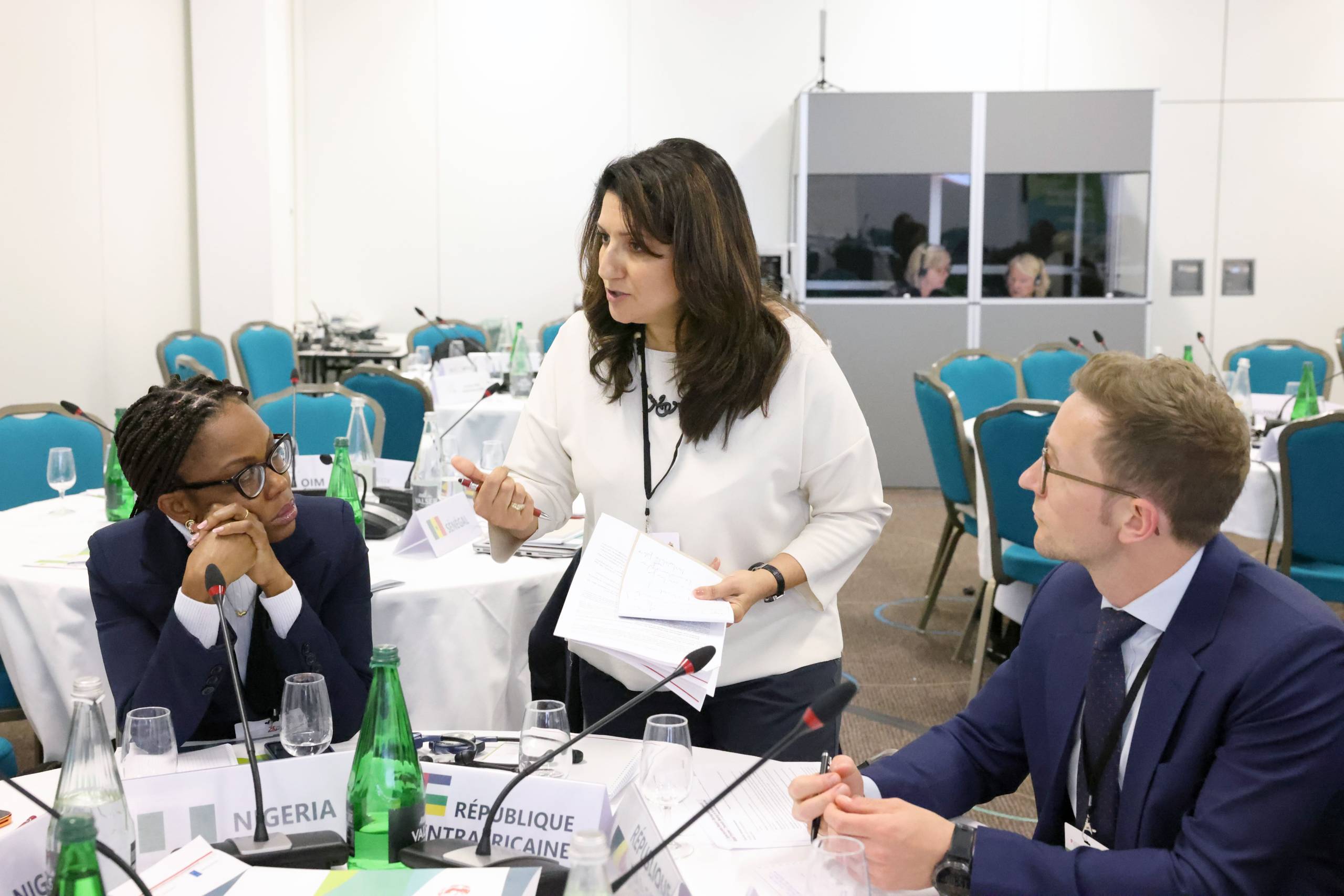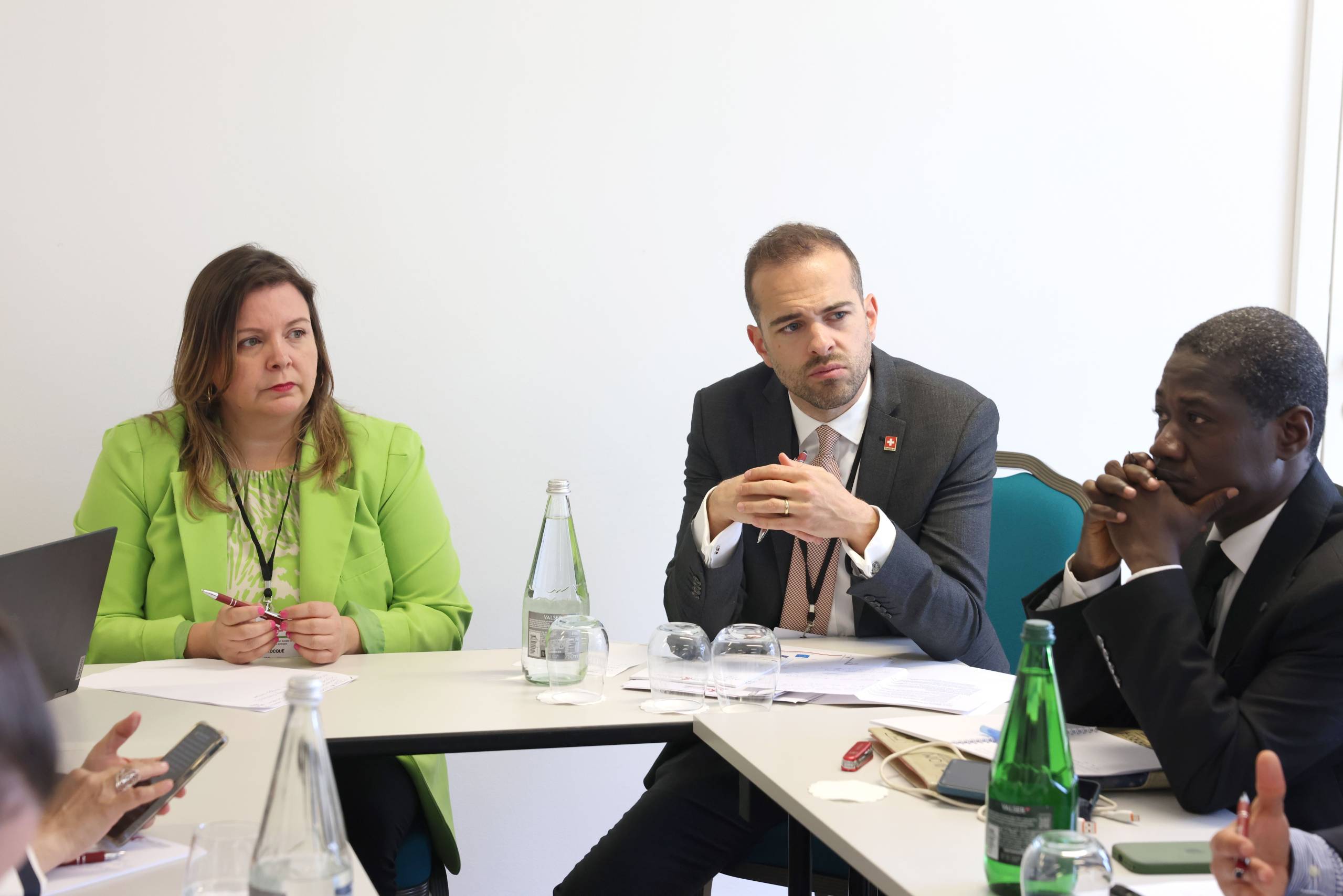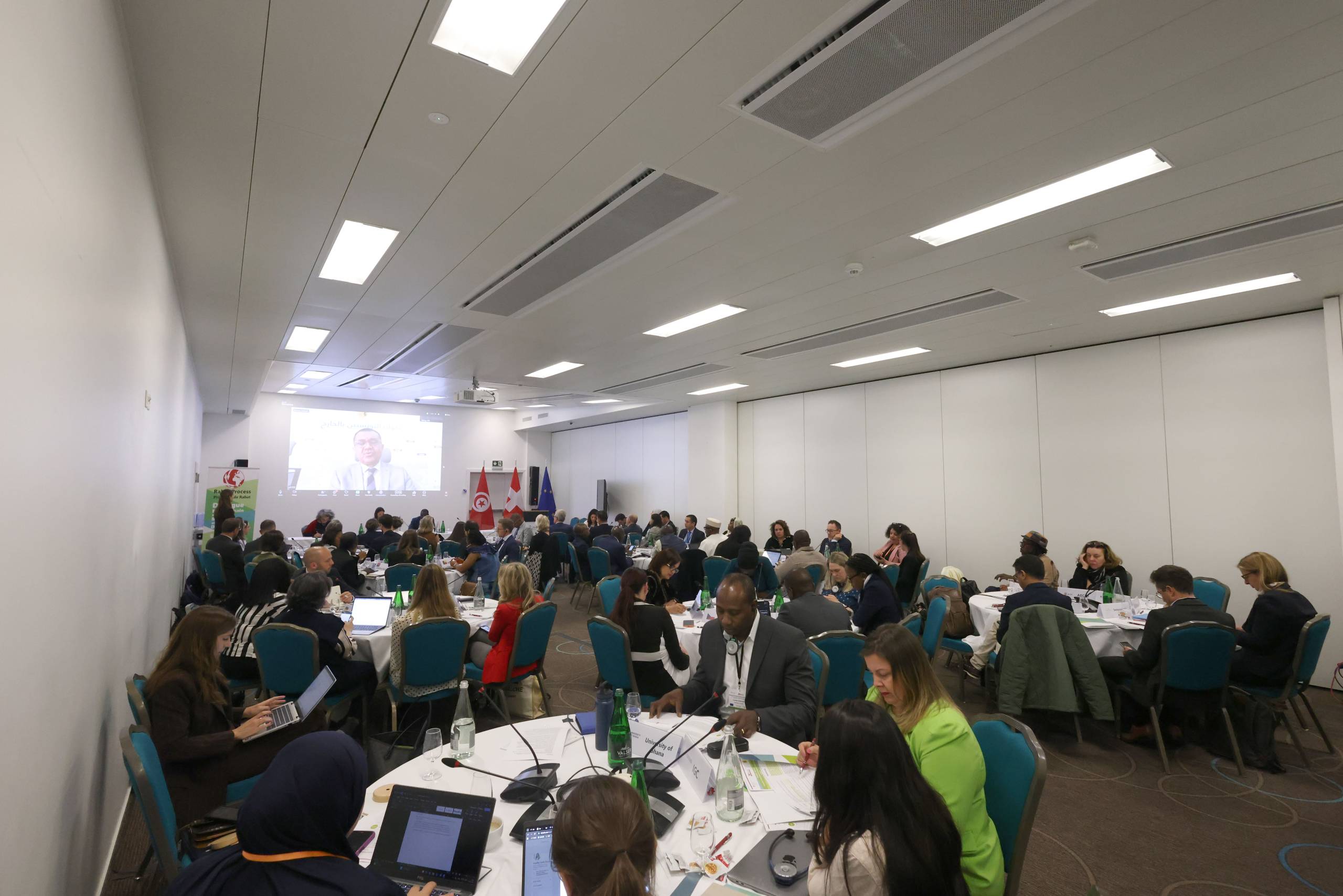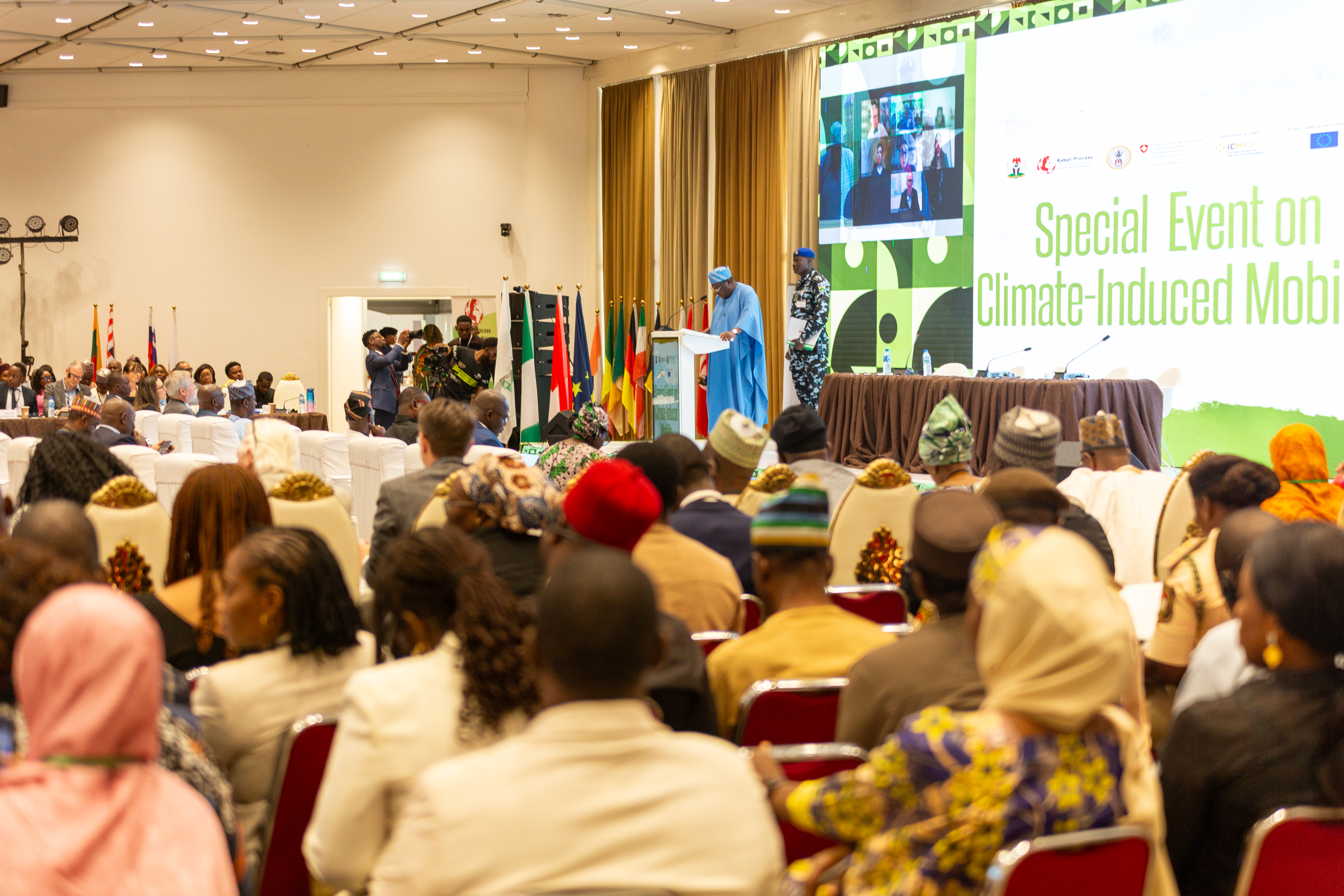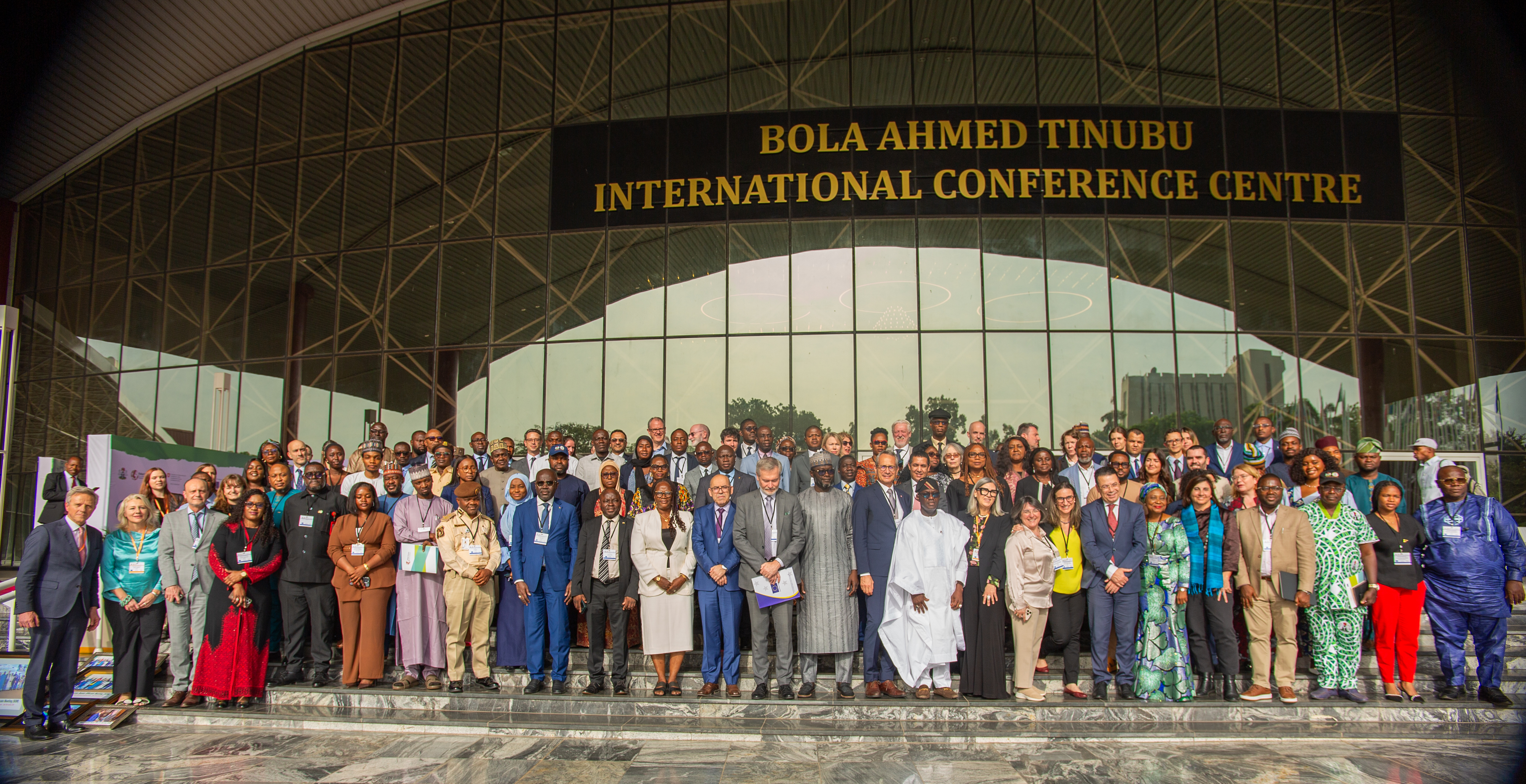


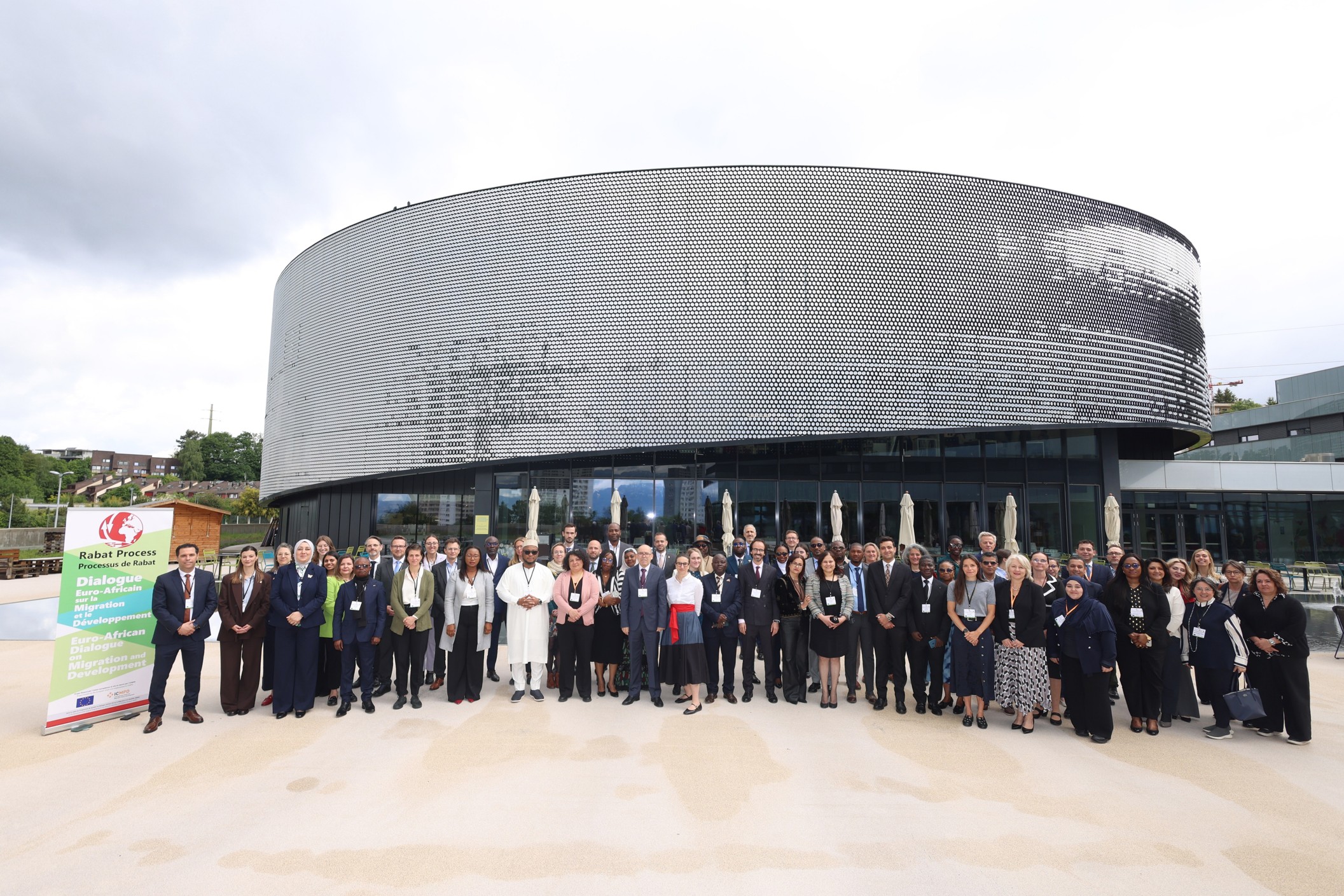
To mark the launch of Switzerland’s Chairmanship of the Rabat Process, a thematic meeting on “Sustainable Reintegration and Development: Reinforcing Synergies” was convened in Lausanne on 12-13 May 2026. Co-chaired by Switzerland and Tunisia, the meeting brought together over 80 representatives from 28 European and African partner countries, alongside regional and international organisations, to advance the strategic discussion on strengthening the nexus between sustainable reintegration and development.
Building on the Cádiz Action Plan – particularly Area 5 (Return, Readmission and Reintegration) - Objective 10 as well as on the Abuja Knowledge Paper developed under the Nigerian chairmanship, the meeting explored the mutually reinforcing relationship between sustainable reintegration and development, and examine how more coherent and integrated policies can maximise the developmental impact of reintegration processes.
The meeting provided a unique platform to deepen participants’ understanding of the multidimensional nature of sustainable reintegration, reaffirm the central role of national ownership by countries of origin, and explore the mutually reinforcing relationship between reintegration and development. Discussions highlighted how reintegration programmes can contribute to local and national development, while recognising that sustainable reintegration itself depends on enabling development conditions that allow returnees to rebuild their lives and participate fully in their communities.
Key takeaways
Discussions underscored key insights:
- Sustainable reintegration is a multidimensional process. Reintegration outcomes extend beyond the individual returnee and are shaped by broader social, economic and institutional factors. Returnees can contribute meaningfully to development only when enabling conditions are in place, including psychosocial wellbeing, recognition of skills, strengthened local resilience and access to sustainable economic opportunities.
- National ownership is the cornerstone of sustainable reintegration. Reintegration is most effective when it is led by countries of origin, aligned with national priorities, informed by evidence, and supported by the coordinated efforts of governments, development actors and international partners. Strengthening national ownership is essential to move beyond project-based approaches towards sustainable reintegration systems.
- Unlocking the developmental potential of reintegration requires stronger policy coherence. The contribution of returnees to development is not automatic but depends on supportive structural conditions and greater coherence between reintegration programmes and development priorities, as well as between short-term reintegration assistance and long-term investments in communities of return.
- Enhanced coordination across the growing reintegration and development ecosystem is essential. As the number of actors, initiatives and financing mechanisms continues to expand, stronger coordination and alignment are needed to maximise impact and avoid fragmentation. This requires shared priorities, joint initiatives, robust coordination mechanisms, and whole-of-government and whole-of-society approaches.
- Private sector engagement can be a critical enabler of sustainable reintegration outcomes. However, such engagement is not automatic and depends on a clear understanding of the economic value that returnees can bring to local and national economies. Building strong business cases that demonstrates the skills, entrepreneurial potential and broader economic contribution of returnees was identified as key to fostering sustained private sector engagement.
Looking ahead
Advancing sustainable reintegration will require moving beyond short-term, project-based assistance towards long-term, nationally owned and inclusive reintegration systems embedded within broader development strategies. This will require stronger coherence across migration, development and sectoral policies, together with greater investment in local development, employment, skills development and inclusive access to socio-economic services.
Achieving this calls for stronger coordination among migration and development actors through whole-of-government and whole-of-society approaches that bring together national and local authorities, international organisations, implementing partners, civil society and the private sector in support of sustainable reintegration and development outcomes.
Strengthening data collection, monitoring and evaluation will be essential to better demonstrate the contribution of reintegration to sustainable development, improve programme effectiveness, inform policymaking, and sustain long-term political and financial commitment.
Special session: The EU Pact on Asylum and Migration
Lastly, the meeting featured a special session on the European Union’s Pact on Migration and Asylum, providing a timely platform to discuss its forthcoming implementation and to enhance mutual understanding among Rabat Process partners. More broadly, the session demonstrated the added value of the Rabat Process as a trusted Euro-African dialogue, facilitating informed exchanges on emerging migration policy developments, and creating opportunities for cooperation on issues of common interest.